Kidney disease must be counted everywhere: why global data matter now
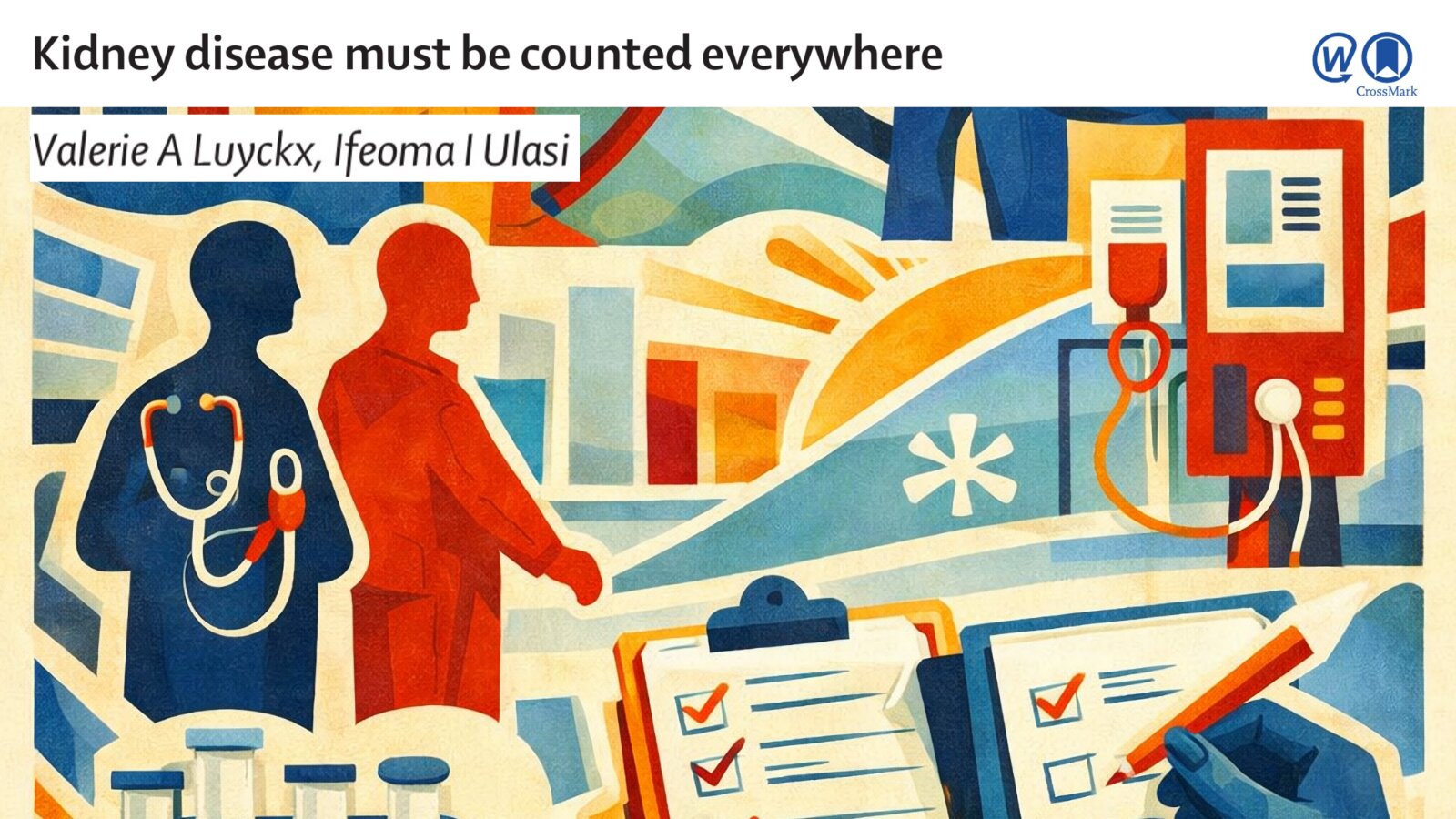
Kidney disease is quietly becoming one of the most significant global health challenges of our time. Yet despite its growing impact, millions of people remain undiagnosed and untreated, particularly in lower income regions. A recent The Lancet commentary led by by the EKHA Co-President Valerie Luyckx underscores the urgent need to improve global data collection and strengthen kidney health systems worldwide.
A growing global burden
According to estimates from the Global Burden of Disease Study 2023, chronic kidney disease affected approximately 788 million adults worldwide in 2023. This represents a substantial increase from 378 million in 1990. Chronic kidney disease is now the ninth leading cause of death globally and contributes to 11.5 percent of cardiovascular deaths.
These figures highlight a growing public health concern. As populations age and risk factors such as diabetes and hypertension become more common, the burden of kidney disease continues to rise.
Inequities across regions
The burden of kidney disease is not evenly distributed. Lower income countries experience higher mortality rates, delayed diagnoses, and limited access to treatment. While high income regions report the lowest prevalence of chronic kidney disease, they also have the highest access to kidney replacement therapy. In contrast, access remains extremely limited in regions such as sub Saharan Africa.
These disparities persist despite the availability of affordable diagnostic tests and effective treatments that can slow disease progression and improve outcomes.
The importance of better data
A major barrier to addressing kidney disease globally is the lack of reliable data. Many countries lack registries, surveillance systems, or comprehensive reporting. This results in underestimation of disease burden and limits the ability of policymakers to allocate resources effectively.
The authors emphasize that improving data collection is critical. Household surveys, national registries, and collaboration with regional and national societies could help close these gaps.
A turning point for global kidney health
In May 2025, the World Health Assembly adopted a resolution recognizing kidney disease as a global public health priority. This milestone reflects growing awareness and offers an opportunity to improve early detection, strengthen primary care, and expand access to treatment.
Early diagnosis and continuous care can delay disease progression, reduce complications, and improve quality of life. Strengthening health systems and raising awareness among clinicians and the public are essential next steps.
Kidney disease affects hundreds of millions worldwide, yet remains under recognized. Counting kidney disease everywhere is not just about data. It is about ensuring equitable care, improving outcomes, and saving lives.