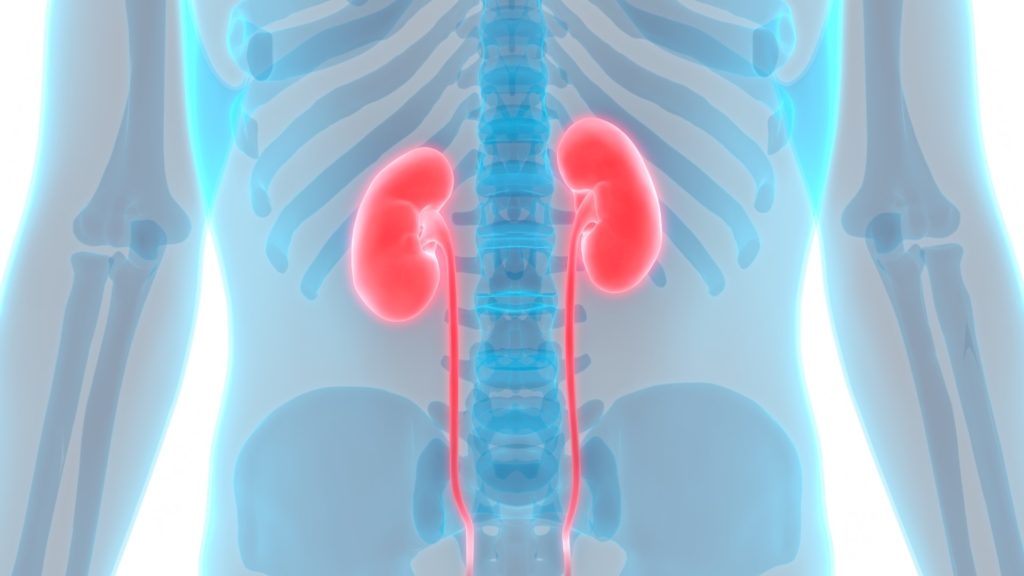
New article about the kidney’s role in systemic health and disease
The kidneys are often described as the body filtration system. They remove waste products from the blood, regulate fluid balance, and help control blood pressure. However, emerging research shows that their role extends far beyond filtration.
A recent review article with a great contribution of the EKHA Past President Raymond Vanholder explores how the kidneys act as a central communication hub connecting multiple organs across the body. These connections influence overall health and play a major role in many diseases.
Inter organ communication: Why it matters
The human body functions as a coordinated system where organs constantly exchange signals. Hormones, immune molecules, and metabolic products allow organs to communicate and respond to environmental or internal changes.
The kidneys are deeply involved in this communication network. They interact with organs including:
The heart: Kidney dysfunction can worsen heart failure through fluid imbalance, hormonal signaling, and inflammation.
The lungs: Severe lung disease can reduce kidney blood flow, while kidney injury can increase inflammation that damages lung tissue.
The liver: The liver processes toxins while the kidneys eliminate them, meaning disease in one organ often affects the other.
The bone marrow: The kidneys produce erythropoietin, a hormone that stimulates red blood cell production. When kidney function declines, anemia frequently develops.
The gut microbiome: Microbial metabolites produced in the intestine can accumulate in kidney disease and contribute to inflammation and cardiovascular complications.
Because of these interactions, diseases affecting the kidneys rarely remain isolated. Instead they can trigger complex multi organ conditions.
Chronic kidney disease as a systemic disorder
Chronic kidney disease affects millions of people worldwide. Traditionally it has been viewed as a condition primarily limited to the kidneys.
However, growing evidence shows that chronic kidney disease disrupts multiple biological pathways across the body. For example:
Hormonal disturbances influence bone health and vascular calcification
Inflammatory signals increase the risk of cardiovascular disease
Gut derived toxins contribute to metabolic and vascular damage
These findings highlight why patients with kidney disease often experience complications involving the heart, bones, blood system, and metabolism.
New technologies are helping researchers map these networks
Understanding such complex biological interactions requires advanced research tools. Scientists are now using systems biology approaches that combine data from genetics, proteins, and metabolic pathways to analyze how organs communicate.
Emerging technologies include:
Computational models that simulate biological networks
Organ on chip systems that replicate interactions between tissues
Integrated molecular analyses that combine genomic, proteomic, and metabolic data
These methods allow researchers to study systemic diseases in ways that were previously impossible.
Toward integrated medicine
The key message from this research is that diseases cannot always be understood by studying organs individually. Instead, the body should be viewed as an interconnected system where disturbances in one organ can affect many others.
By focusing on inter organ communication, scientists hope to develop new therapies that target the underlying biological networks driving complex diseases. This approach may lead to better prevention and treatment strategies for chronic kidney disease and other systemic conditions.