Highlights from the high-level rare kidney disease webinar on how research, policy and patient partnership can accelerate progress across Europe
Rare kidney diseases, turning European collaboration into better care for patients
For millions of people living with rare kidney diseases, the journey to diagnosis and treatment is often long and uncertain. Delayed diagnosis, fragmented care, unequal access to specialist expertise and limited treatment options remain a reality in many parts of Europe.
Yet the webinar “From care to cure: an EU-wide Network Advancing Rare Kidney Disease Healthcare and Research” through European Collaboration demonstrated another reality, Europe already has many of the building blocks needed to change this picture.
The high-level webinar organised jointly by the European Kidney Health Alliance (EKHA) and the European Reference Network for Rare Kidney Diseases (ERKNet) brought together clinicians, researchers, patient representatives and policy experts to discuss how European collaboration can deliver tangible improvements for patients. The discussions highlighted not only the challenges that remain, but also the remarkable progress already being achieved through shared expertise, coordinated research and stronger patient involvement.
The message throughout the event was clear, improving the lives of people living with rare kidney diseases is no longer only a scientific challenge. It is also a policy priority.
The webinar brought together an exceptional panel of European experts representing clinical practice, research, patient advocacy and health policy. It was moderated by Djalila Mekahli, Professor of Paediatrics at KU Leuven and Coordinator of ERKNet, who has played a leading role in advancing European collaboration in rare kidney diseases. The policy perspective was introduced by Alberto Løken, who outlined the evolving European policy landscape and current advocacy priorities. The patient voice was represented by Flavia Galletti, an international advocate for people living with autosomal dominant polycystic kidney disease, and Susana Carvajal Arjona, who presented examples of how patients are generating evidence and shaping healthcare policy. Professor Francesco Emma highlighted the importance of early diagnosis, genetic testing and international data sharing, while Jan Halbritter demonstrated how European care pathways are being implemented within national healthcare systems. Stefanie Haeberle presented ERKNet’s extensive education and training initiatives for healthcare professionals and patients as well as the European Rare Kidney Disease registry, and Marina Vivarelli discussed the current landscape of clinical trials and innovation in rare kidney diseases. The concluding panel discussion also featured Roser Torra, who emphasised the importance of translating European policy into national action to ensure equitable access to care across all Member States. These diverse perspectives illustrated how progress in rare kidney diseases depends on strong partnerships between clinicians, researchers, patients and policymakers.
Building on a strong foundation
Each rare kidney disease may individually affect relatively small numbers of people, but together they represent a significant burden for patients, families and healthcare systems.
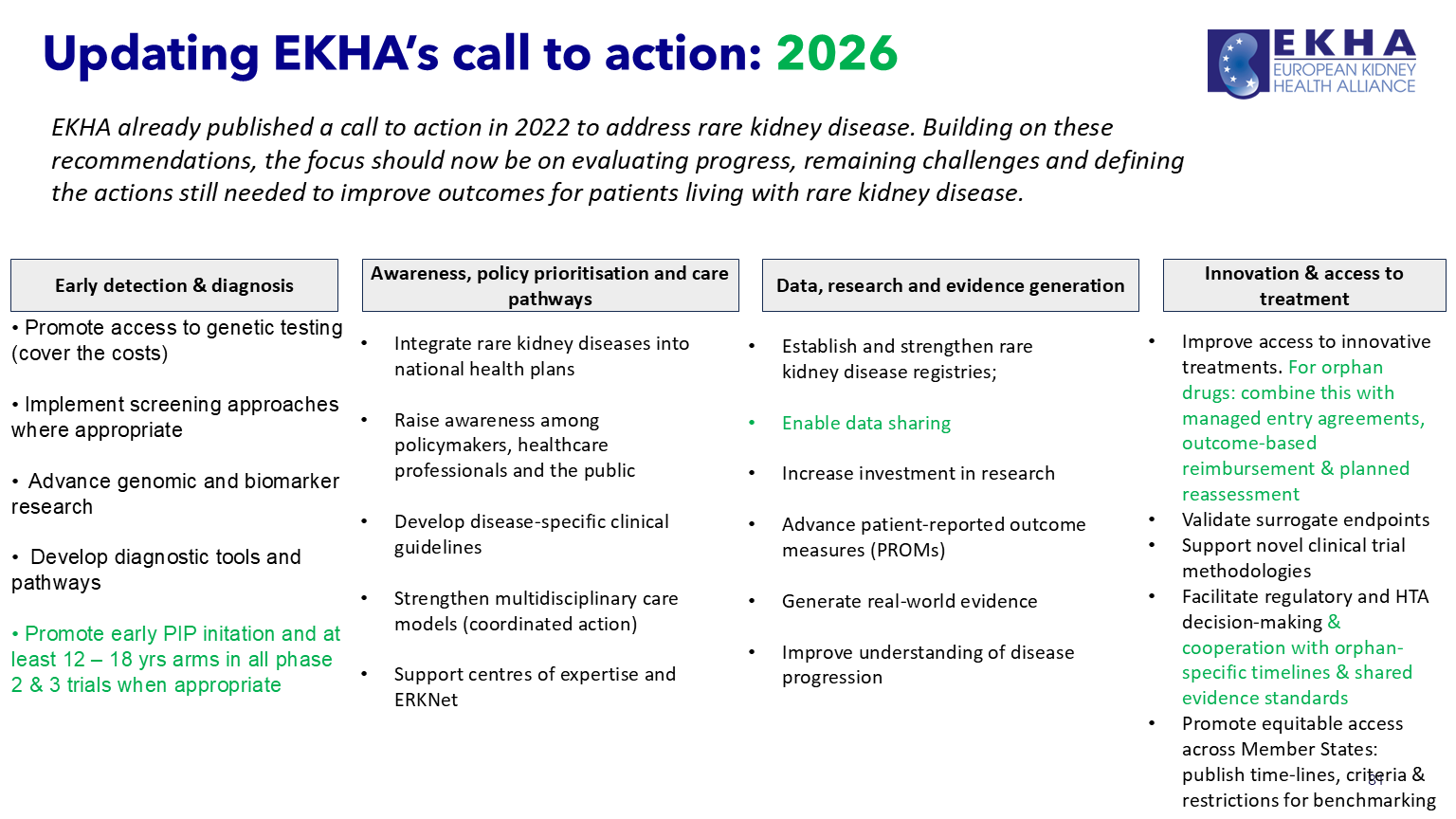
Recognising this, EKHA published its Call to Action on Rare Kidney Diseases in 2022, identifying four priorities that continue to guide European efforts:
- early detection and diagnosis;
- awareness and integrated care pathways;
- research, data sharing and innovation;
- equitable access to treatments and specialised care.
These priorities provided the framework for the webinar and illustrated how scientific advances, healthcare delivery and public policy are becoming increasingly interconnected.
Europe has the expertise, patients need equal access
Across Europe, world-class expertise in rare kidney diseases already exists.
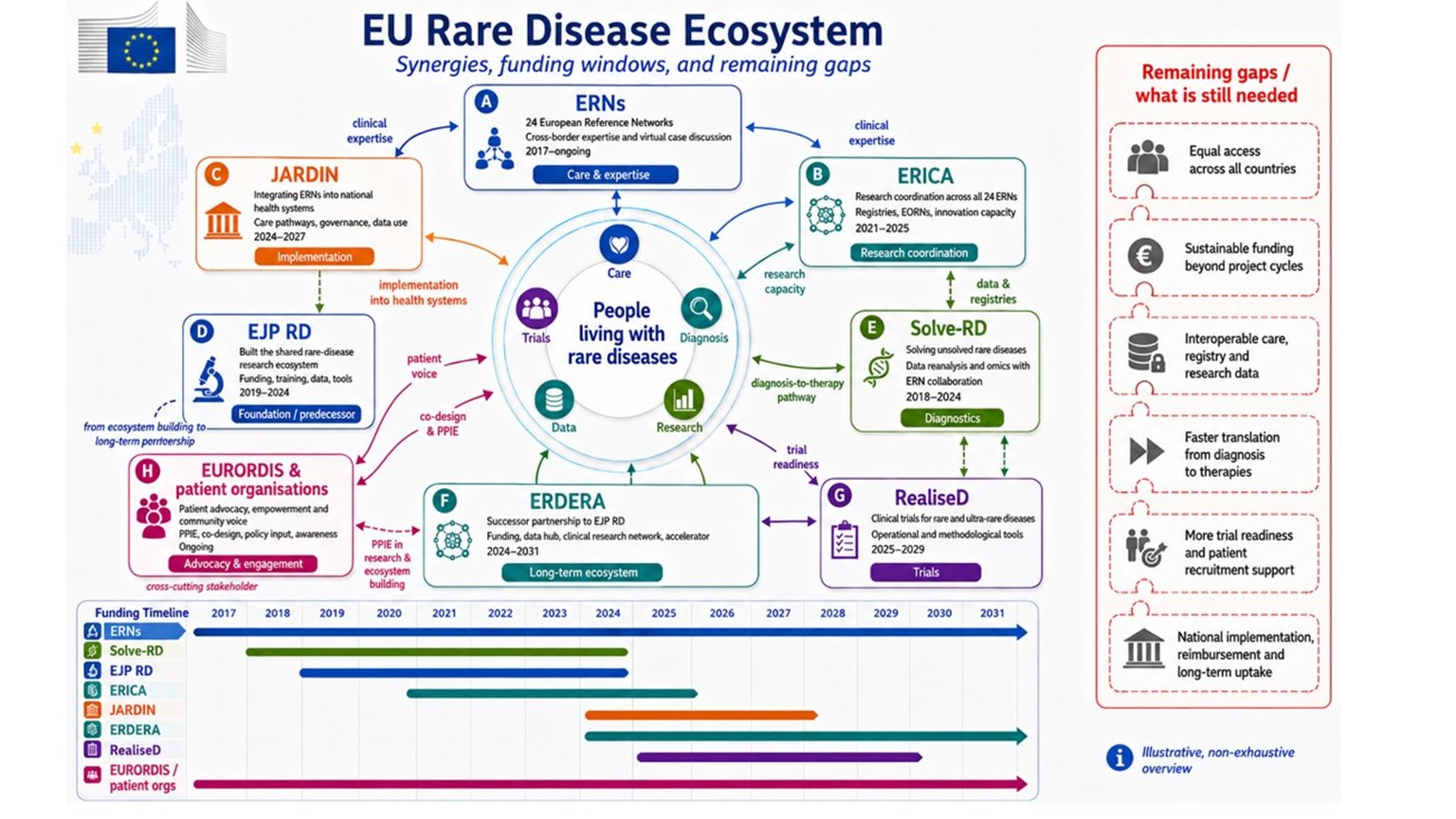
Through ERKNet, highly specialised healthcare providers collaborate across borders, sharing knowledge, developing clinical guidelines, supporting education and connecting patients with expert centres. The network has become far more than a collection of hospitals. It is a European ecosystem that links clinical care, research, education and patient engagement.
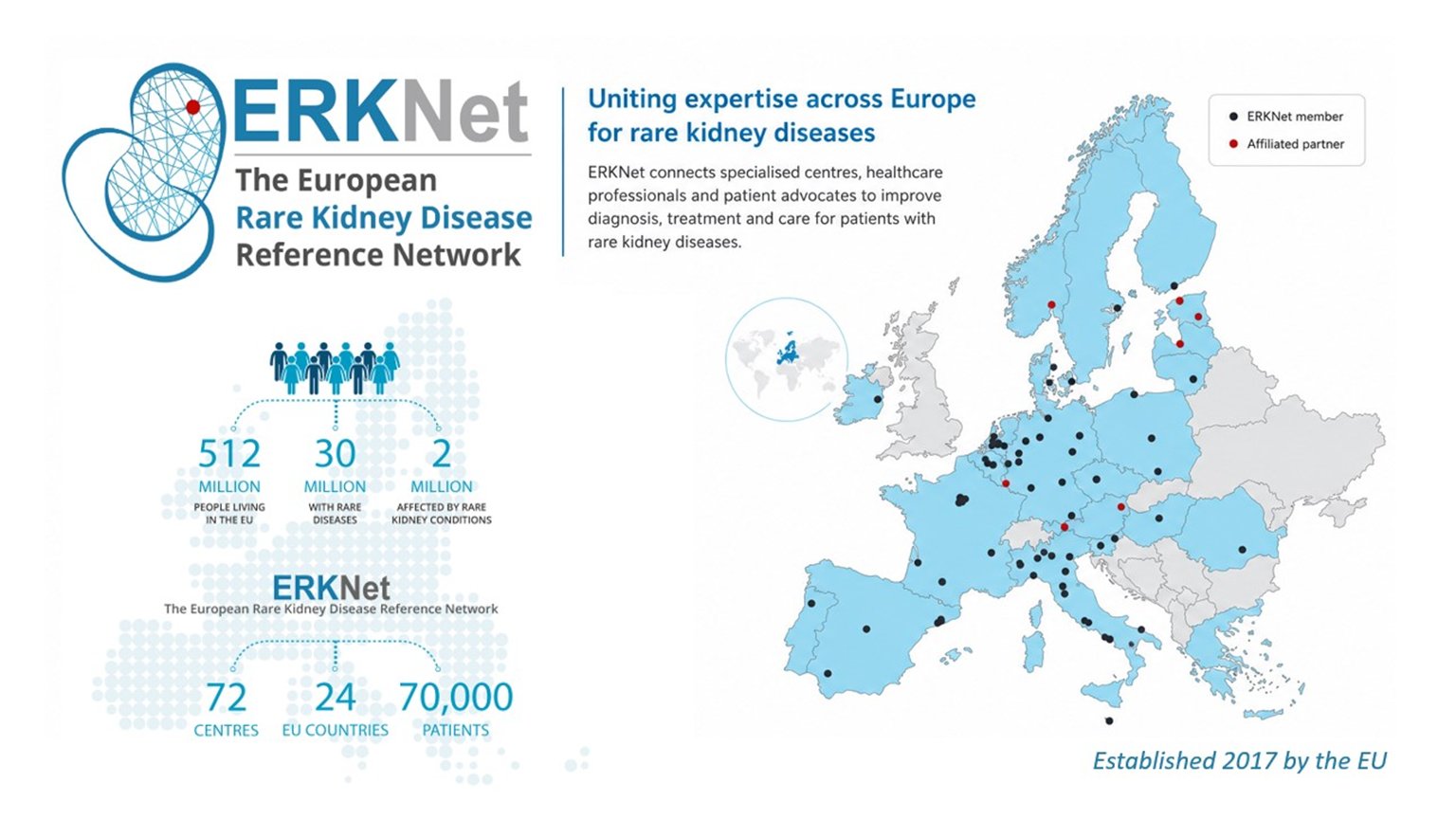
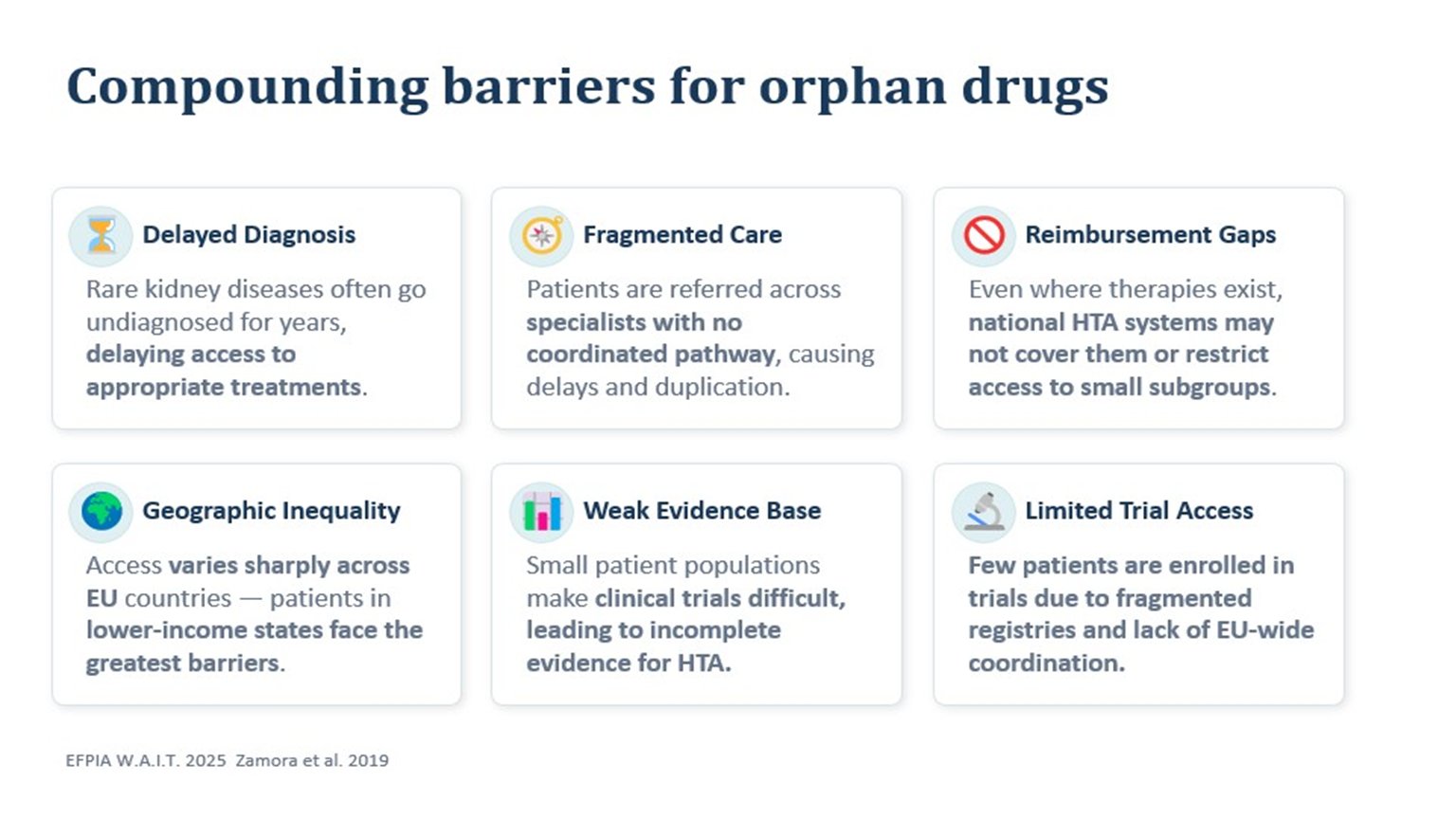
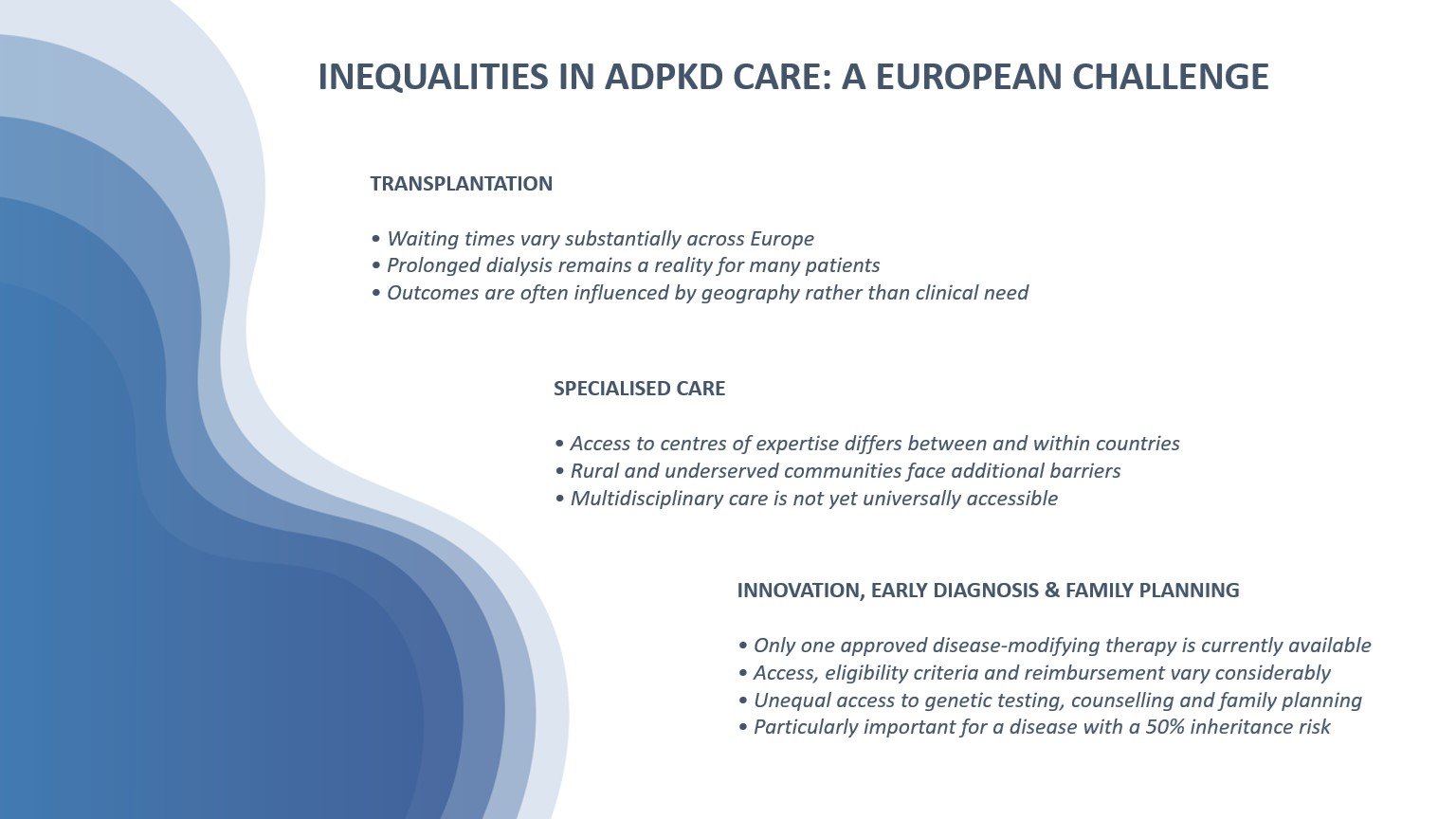
However, access to this expertise remains uneven. Patients continue to experience significant differences depending on where they live. Access to genetic testing, specialist multidisciplinary care, innovative treatments and even essential lifelong therapies varies considerably between countries.
Reducing these inequalities emerged as one of the strongest priorities throughout the discussions.
Patients are shaping the future of healthcare
One of the defining characteristics of rare kidney disease care in Europe is the growing role of patients as equal partners.
Throughout the webinar, patient representatives demonstrated how lived experience is helping shape clinical practice, research priorities and healthcare policy.
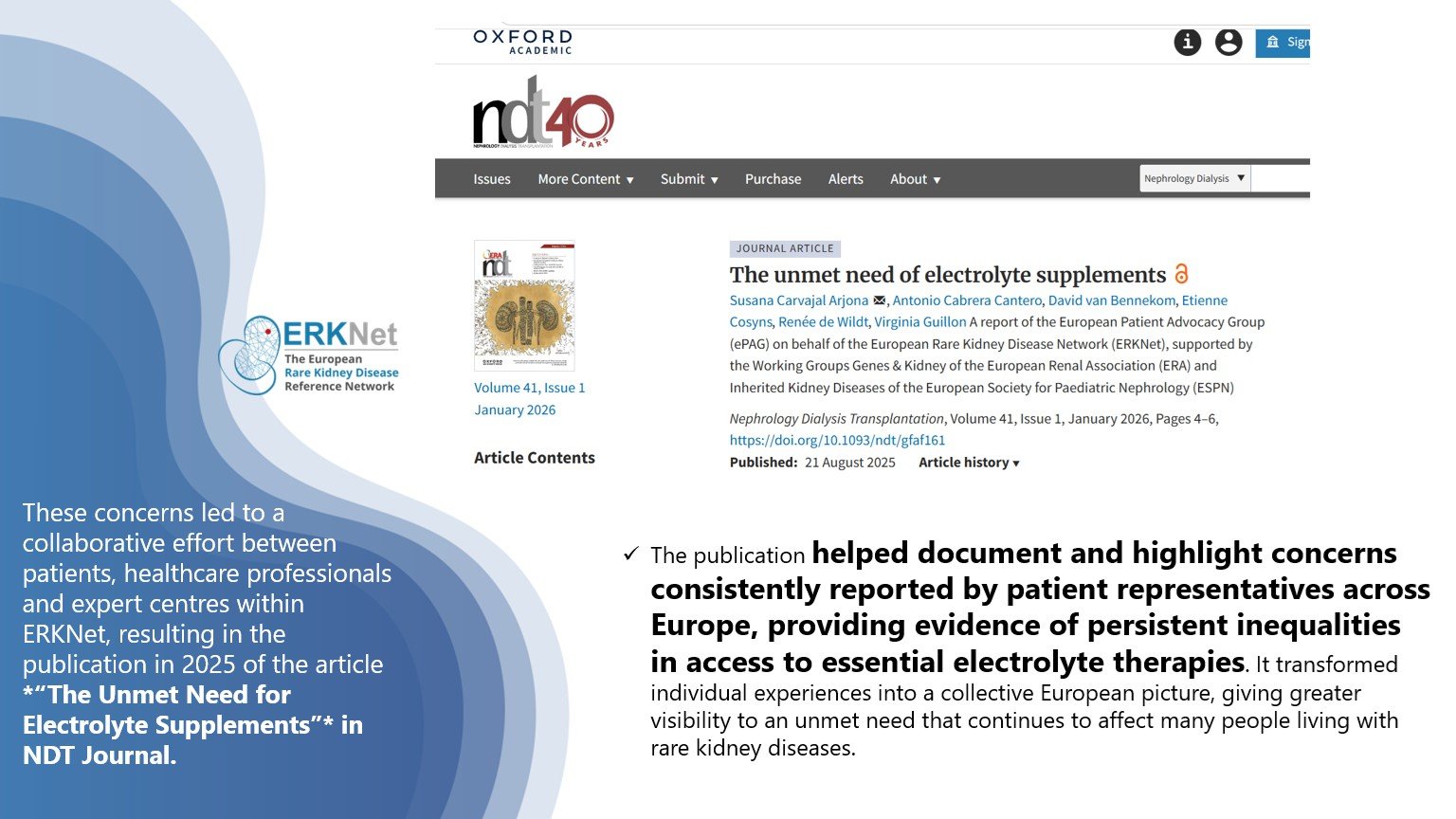
Examples ranged from improving access to essential electrolyte therapies, to developing European care pathways and generating new evidence through initiatives such as the Rare Kidney Disease Barometer.
The discussions also highlighted that living with a rare kidney disease affects much more than kidney function. Patients and families often face educational, professional, psychological and financial challenges, while caregivers themselves require greater recognition and support.
Integrating these perspectives into healthcare planning is becoming essential for delivering truly patient-centred care.
Earlier diagnosis changes lives
For many rare kidney diseases, time matters.
Experts presented compelling evidence showing that earlier diagnosis allows earlier intervention, helping preserve kidney function and improve long-term outcomes. Advances in genetic testing are making earlier diagnosis increasingly possible, but access to these technologies remains inconsistent across Europe.
Several speakers also highlighted the importance of neonatal screening, patient registries and cross-border collaboration in shortening the diagnostic journey.
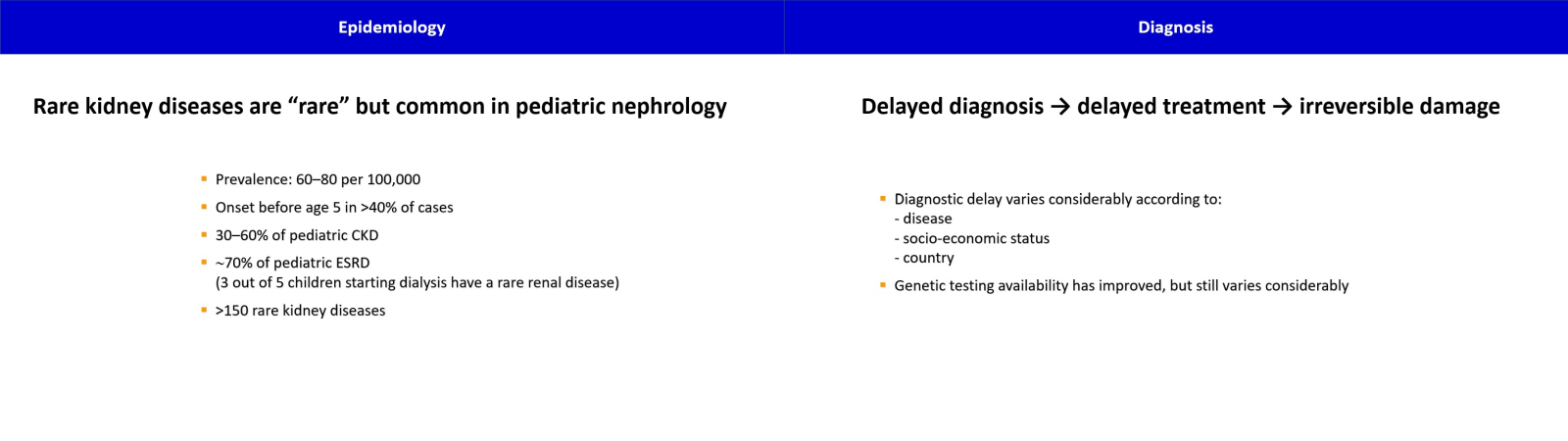
The message was simple but powerful, earlier diagnosis is one of the most effective ways to improve patient outcomes.
Data sharing fuels innovation
Progress in rare diseases depends on collaboration.
Because patient populations are relatively small, meaningful research can only be achieved when expertise and clinical data are shared internationally.
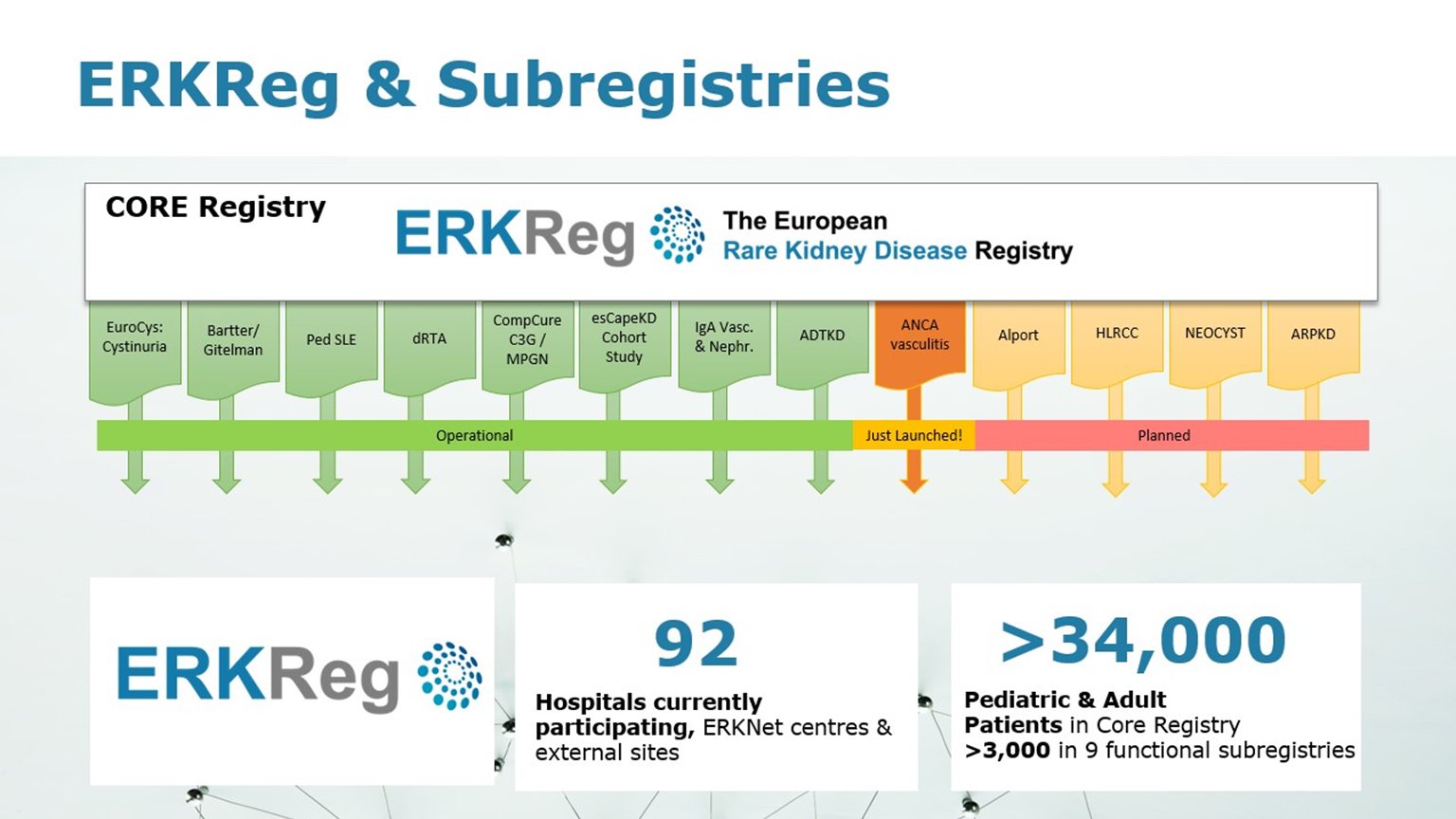
European registries, collaborative research projects and the work of ERKNet have already transformed understanding of many rare kidney diseases and accelerated the development of clinical guidelines.
At the same time, speakers recognised the growing challenges associated with sharing health data responsibly.
Finding the right balance between protecting personal privacy and enabling scientific research will remain essential if Europe is to continue leading innovation in rare diseases.
From guidelines to everyday clinical practice
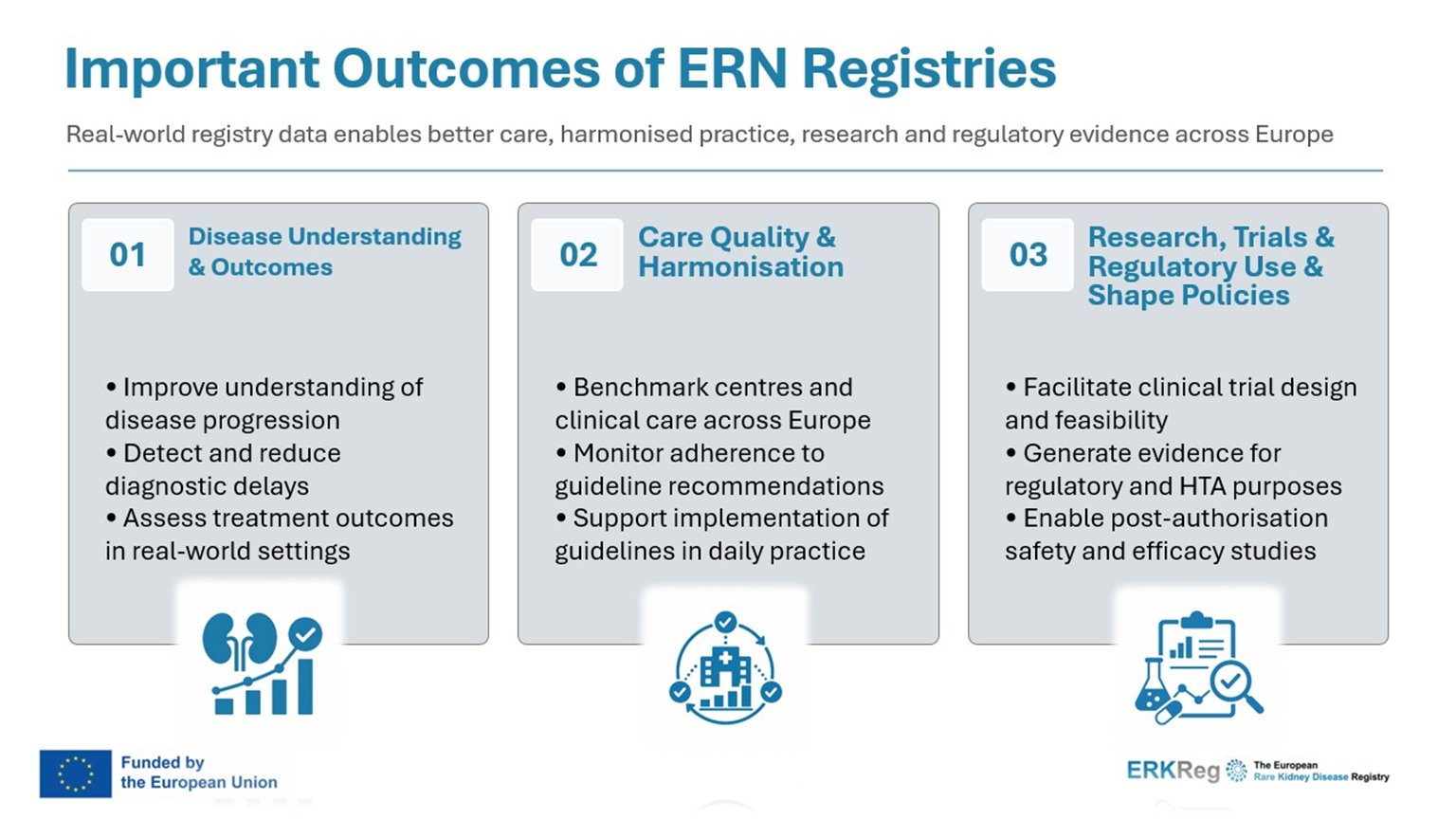
Scientific evidence alone does not improve healthcare unless it reaches patients.
The webinar showcased how European clinical guidelines are now being translated into practical care pathways that help clinicians identify when patients should be referred to specialist centres and receive multidisciplinary care.
These pathways represent an important step towards reducing unwarranted variation in care.
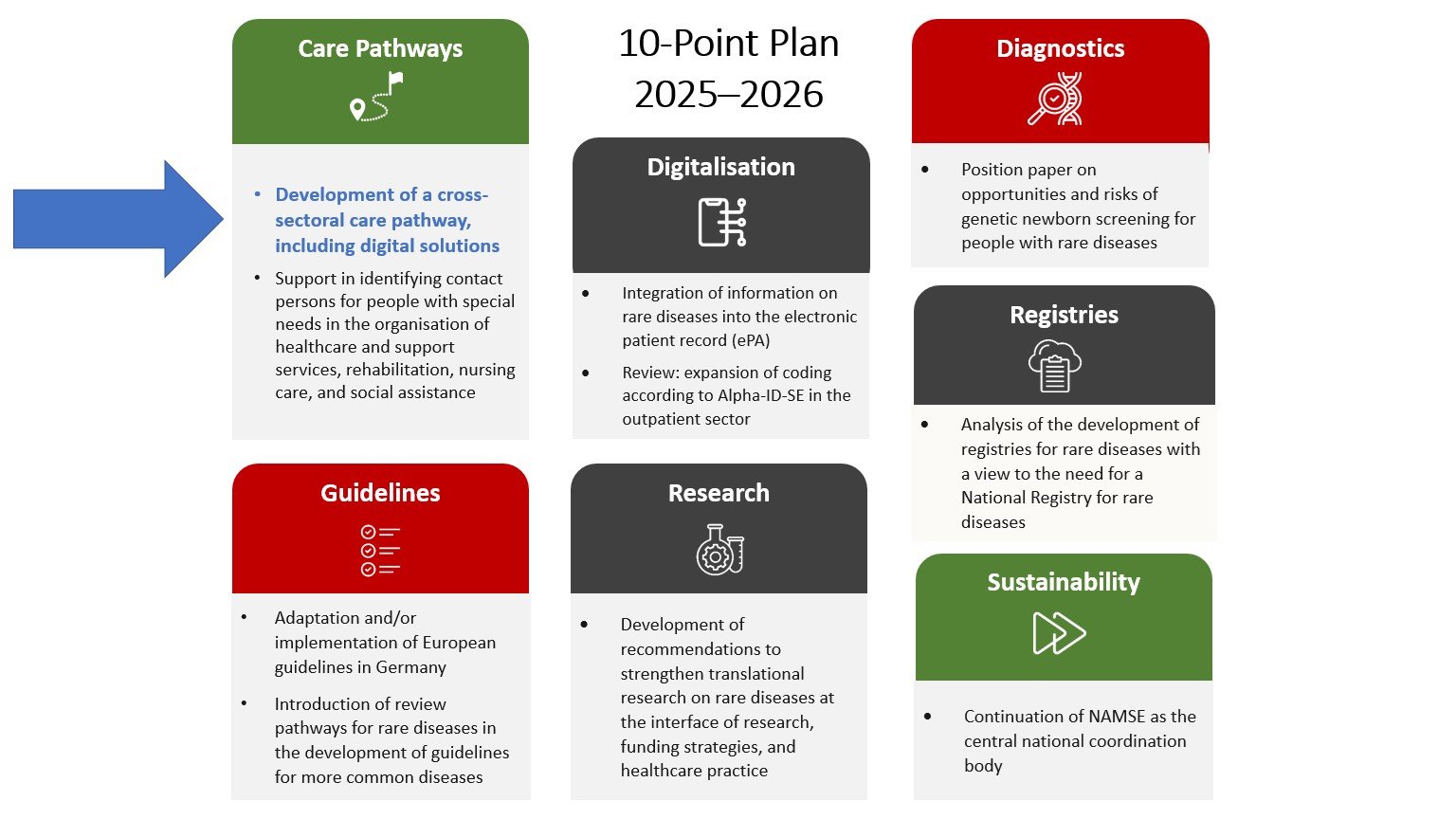
However, successful implementation requires more than clinical guidance. Healthcare systems also need appropriate reimbursement, sustainable funding for multidisciplinary teams, better referral mechanisms and national commitment to adopting European best practices.
As several speakers noted, implementation is where policy becomes patient care.
Investing in people is investing in better care
Education was another recurring theme throughout the webinar.
ERKNet has developed an extensive portfolio of educational initiatives, ranging from postgraduate training programmes and expert webinars to digital clinical guidelines, decision support tools and multilingual patient information.
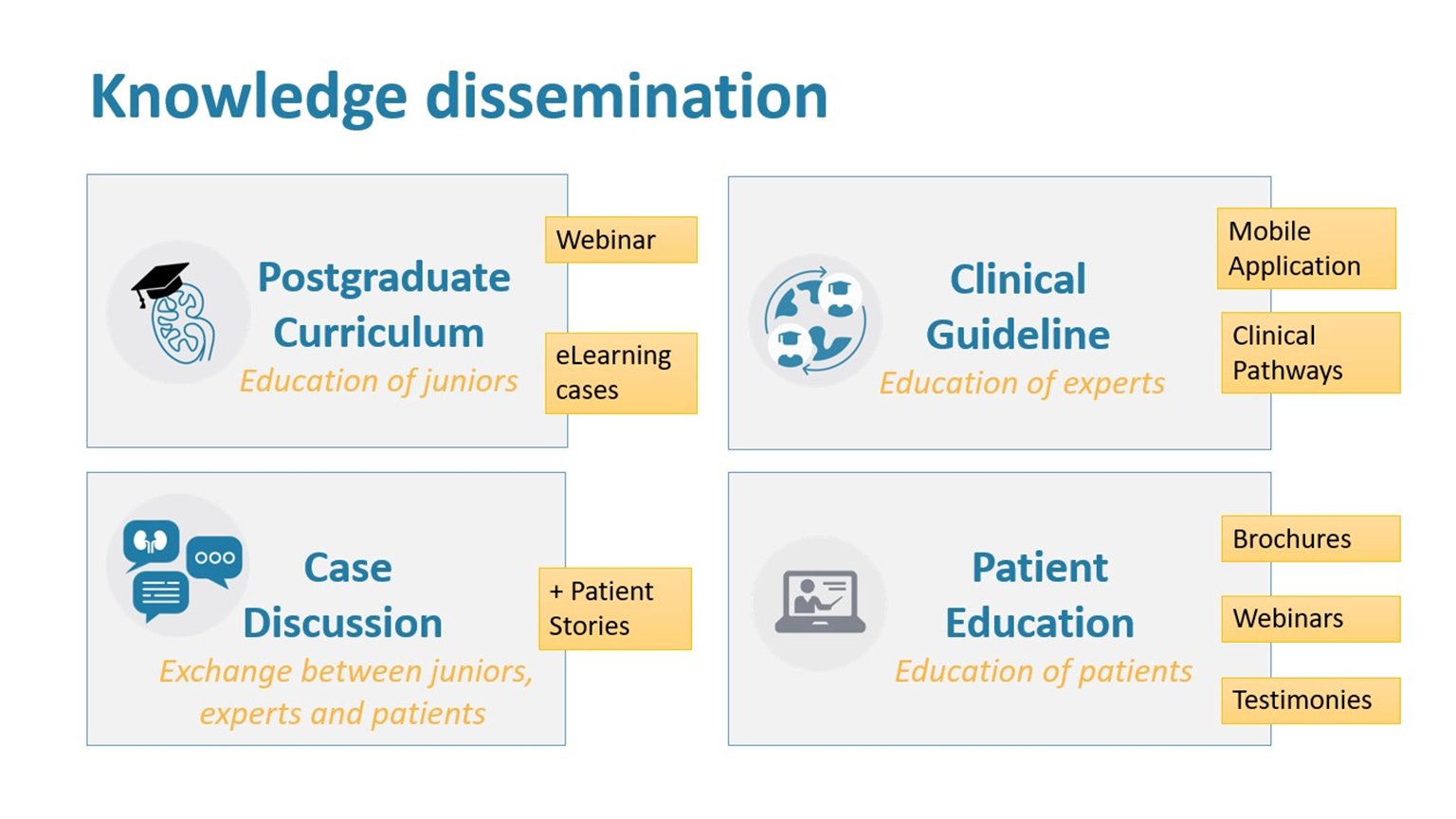
These programmes are helping build a new generation of healthcare professionals with expertise in rare kidney diseases, while empowering patients to become informed partners in managing their own health.
Ensuring protected time for healthcare professionals to participate in continuing education was identified as an important policy objective for the future.
Accelerating research and access to innovation
Scientific discovery is opening new possibilities for people living with rare kidney diseases.
Researchers highlighted encouraging progress in several disease areas, together with the growing potential of precision medicine, gene therapies and advanced medicinal products.
Nevertheless, Europe still faces important challenges. Early-phase clinical trials remain limited compared with other regions of the world, and many rare kidney diseases continue to lack effective therapeutic options.
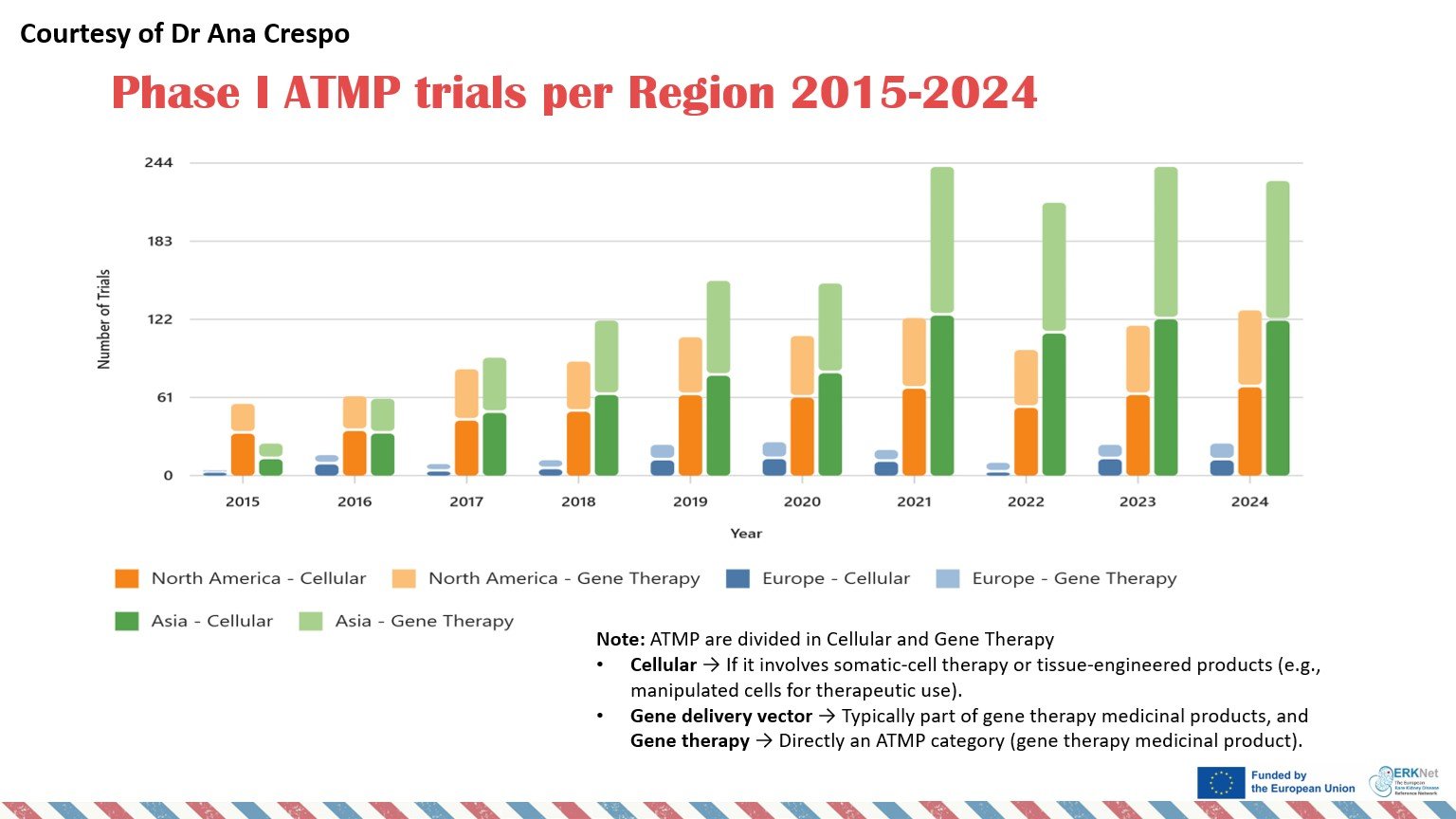
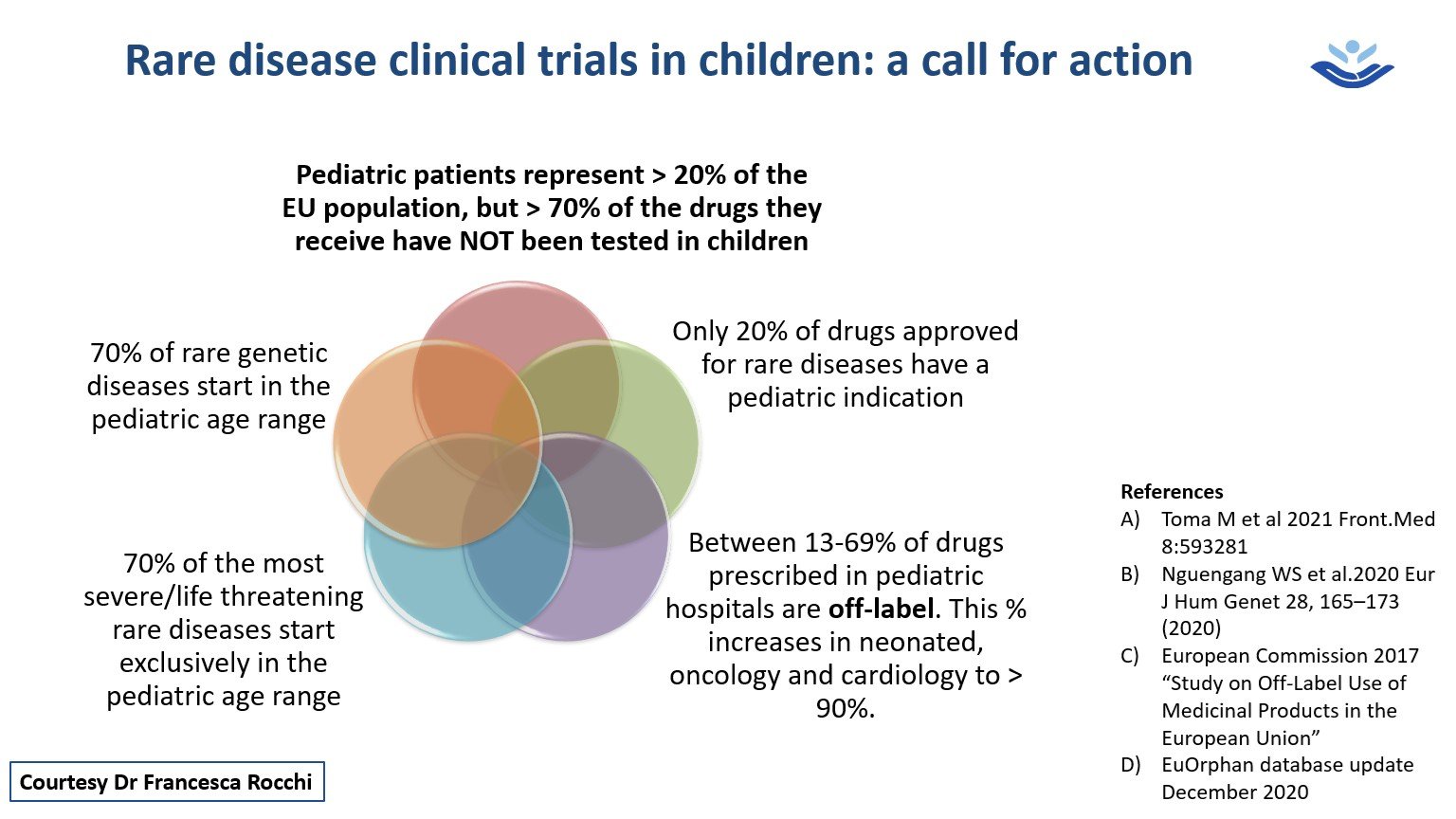
Participants agreed that accelerating research will require stronger collaboration between academic institutions, regulators, industry, patient organisations and policymakers, together with greater support for investigator-led research and better inclusion of children in clinical trials. Innovation must ultimately reach the people who need it most.
A shared responsibility for Europe’s future
The discussions concluded with a strong sense of optimism.
Europe already possesses exceptional scientific expertise, committed patient organisations, highly specialised clinical networks and an increasingly supportive policy environment.
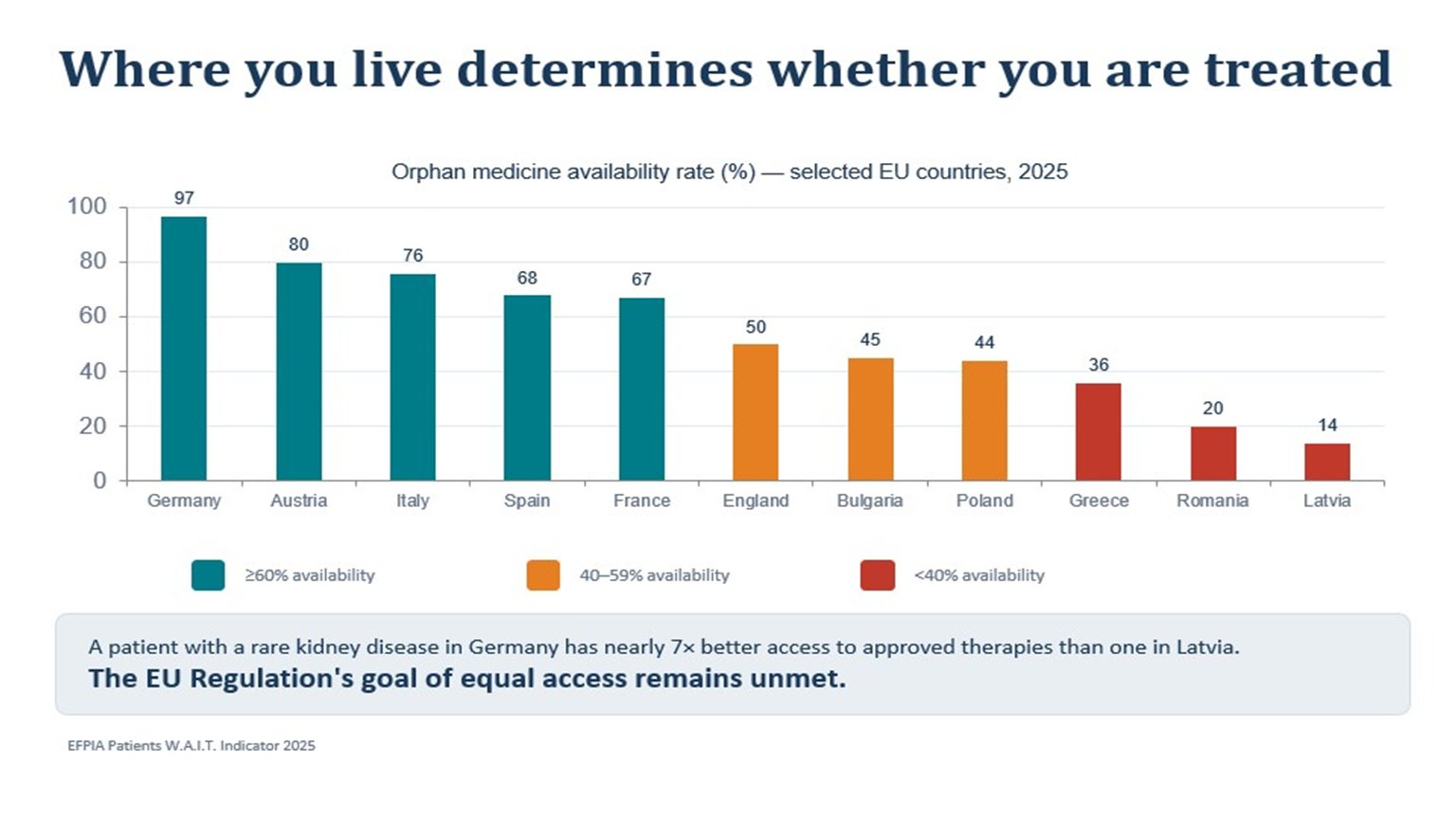
The next challenge is ensuring that these strengths translate into equitable care for every person living with a rare kidney disease.
Achieving this will require sustained political commitment, continued investment in research and education, stronger implementation of European recommendations at national level and meaningful partnership with patients at every stage of decision making.
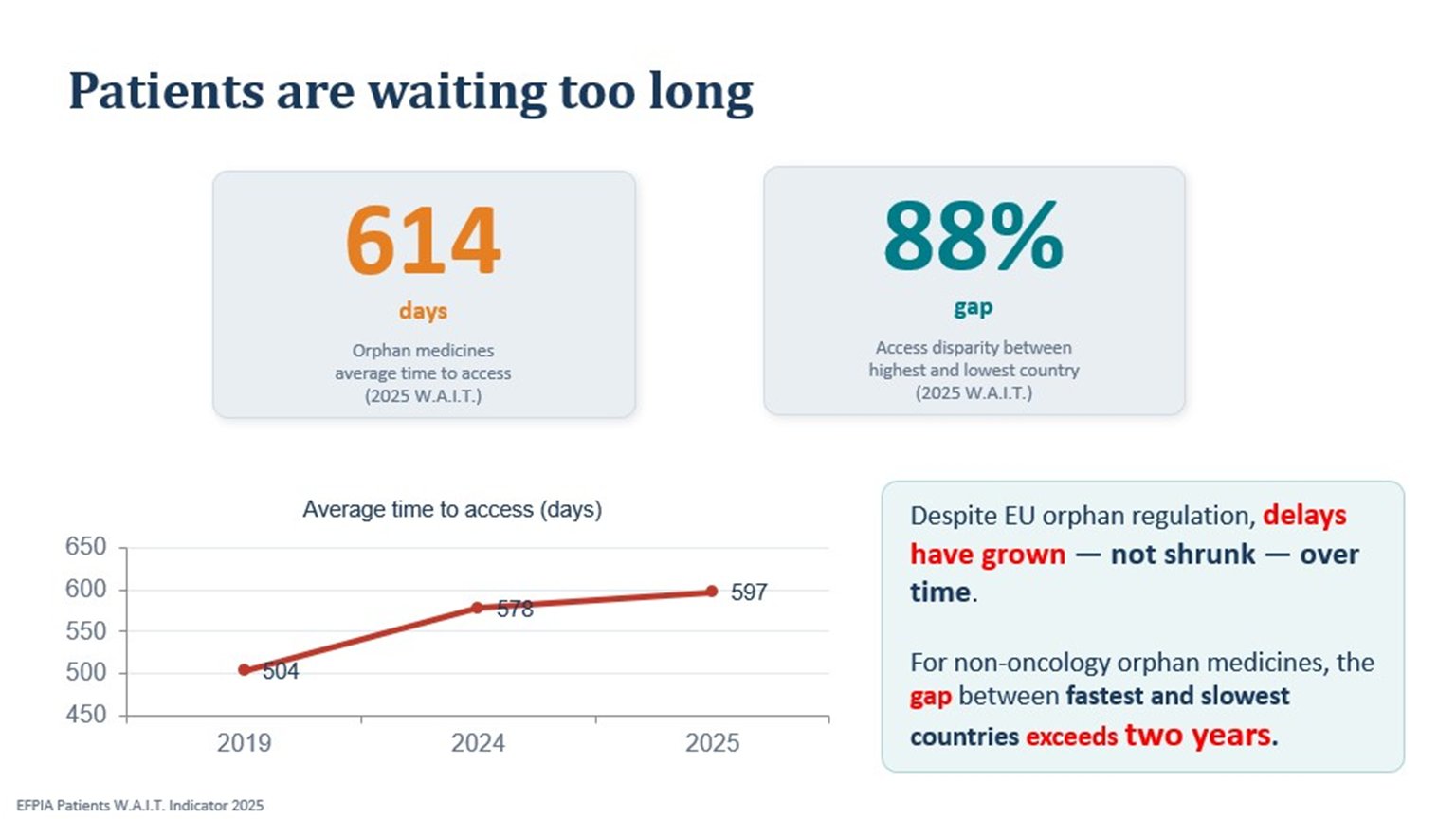
Rare kidney diseases deserve greater visibility within European health policy, not only because they are rare, but because every patient deserves timely diagnosis, high-quality care and access to innovation.
Working together, clinicians, researchers, patients and policymakers can ensure that no one living with a rare kidney disease is left behind.