Closing the Gender Gap in Kidney Health: European Kidney Forum 2026 Calls for Earlier Detection, Equitable Care and Stronger EU Action
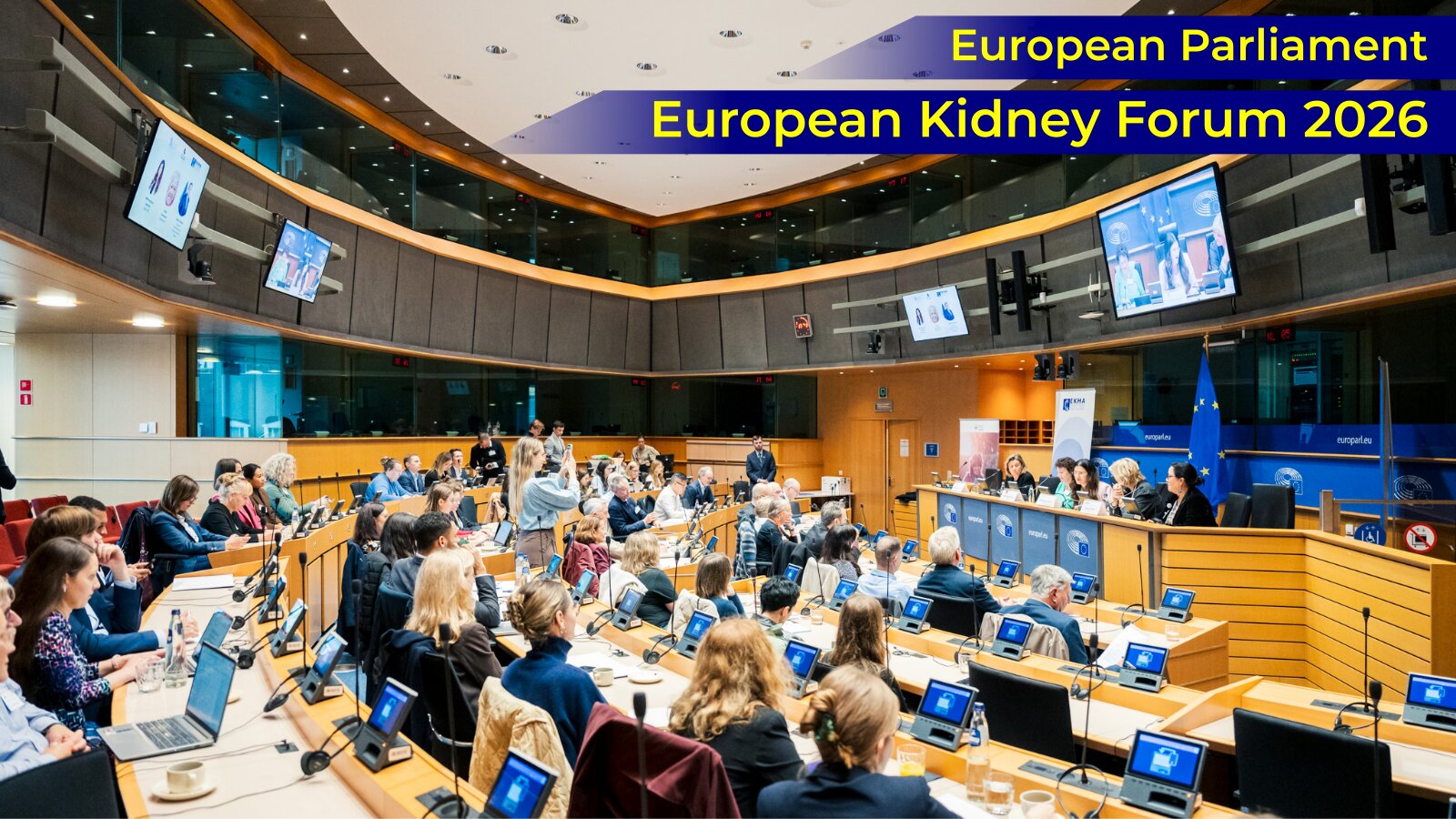
European policymakers, healthcare experts and patient advocates came together at the European Parliament in Brussels to examine how sex, gender and social inequalities shape kidney health across the lifespan, and to identify opportunities for translating scientific evidence and lived experience into more effective European health policies.
On 13 October 2026, the European Kidney Health Alliance (EKHA) convened the European Kidney Forum 2026 at the European Parliament in Brussels under the theme “Kidney Health Disparities: Addressing the Gender Gap.” Co-hosted by Members of the European Parliament (MEPs) Romana Jerković (S&D, Croatia) and Michalis Hadjipantela (EPP, Cyprus), the Forum brought together representatives of European institutions, Members of the European Parliament from different political groups, international health organisations, nephrology experts, patient representatives and advocates.
The Forum addressed an increasingly important challenge for European healthcare. Chronic kidney disease (CKD) affects millions of Europeans, yet its risks, diagnosis, progression and consequences are not experienced equally by women and men. Biological differences interact with gender roles, socioeconomic circumstances and healthcare structures, creating inequalities that are often overlooked within conventional approaches to prevention and treatment.
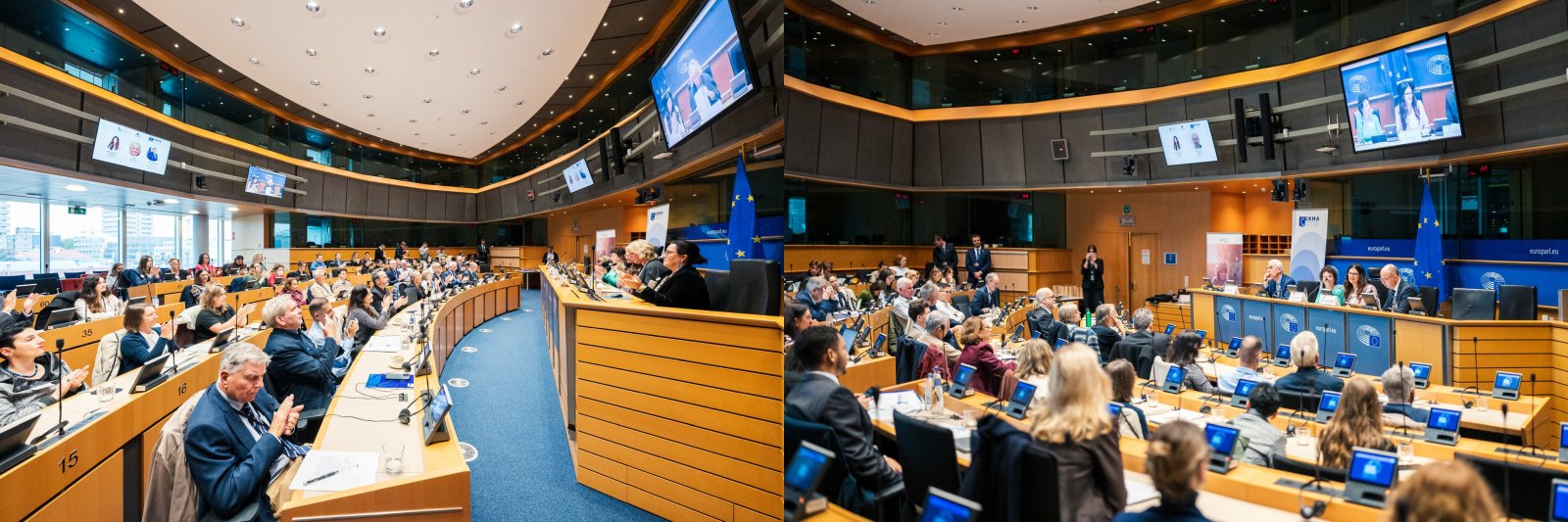
From the different health risks experienced throughout life to the disproportionate caregiving responsibilities carried by women, participants examined how these disparities affect patients, families and healthcare systems. The discussions also explored how emerging European Union (EU) policy initiatives, including the Safe Hearts Plan and the European Health Data Space, could help address these challenges through better prevention, research, data and access to care.
A central message emerged throughout the Forum: improving kidney health requires more than treating advanced disease. It requires identifying risks earlier, recognising the different needs and experiences of women and men, listening to patients and caregivers, and ensuring that healthcare systems can deliver timely, coordinated and equitable care.
Bringing Kidney Health into the European Policy Agenda
Opening the Forum, MEP Romana Jerković emphasised that kidney health deserves a more prominent place on the European healthcare agenda, particularly given the different impact of kidney disease on women and men. She stressed that these inequalities are not solely medical challenges, but also questions of equal opportunity and fairness in access to healthcare.
As rapporteur on cardiovascular diseases, MEP Jerković highlighted the strong interconnection between kidney and cardiovascular health. Cardiovascular diseases cannot be effectively addressed without considering kidney disease, particularly given their shared risk factors and frequent coexistence. Future European prevention strategies must therefore recognise kidney health as an integral part of cardiovascular care while taking gender differences into account.
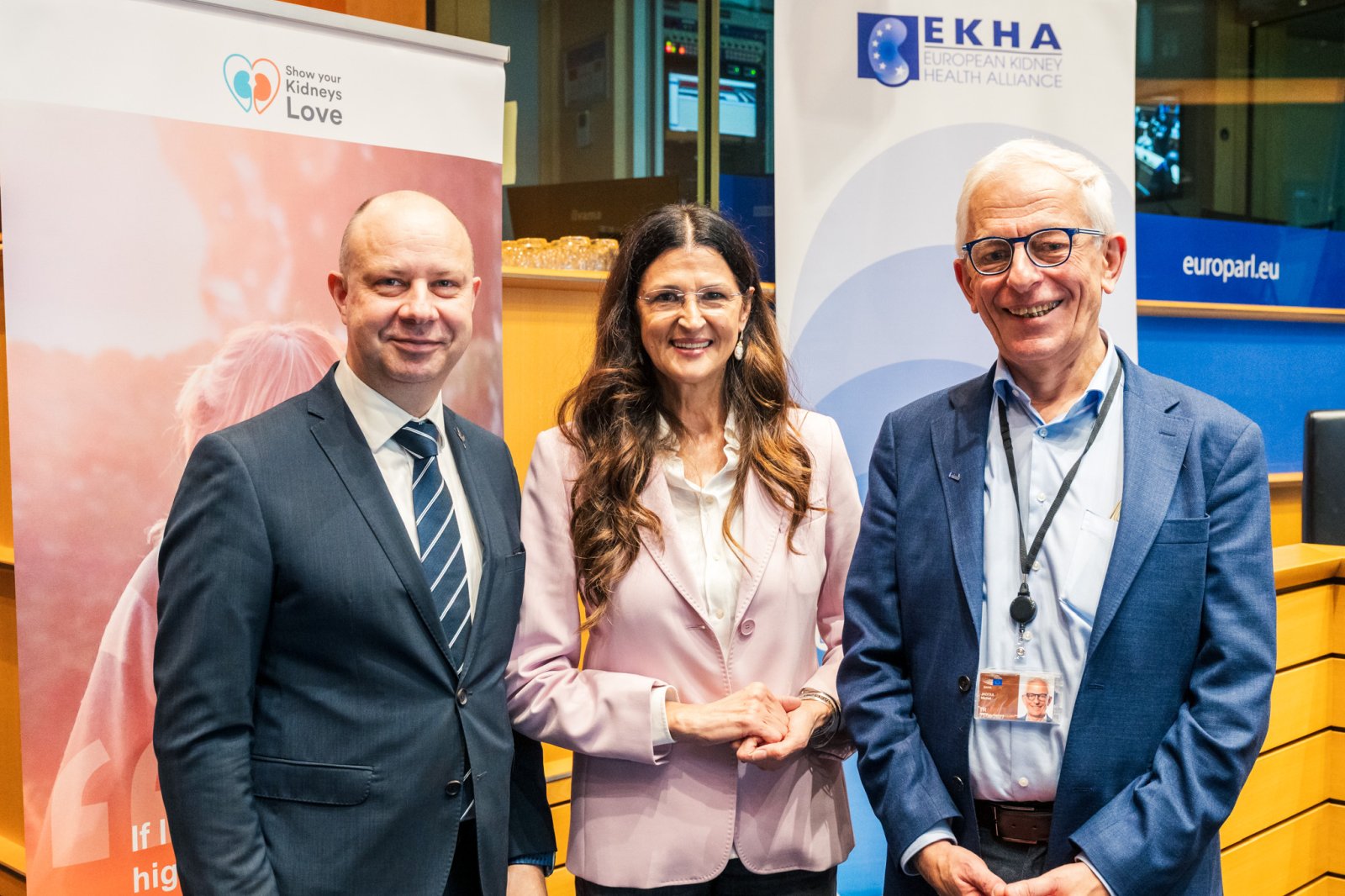 MEP Romana Jerković, MEP Tomislav Sokol, EKHA Co-President Michel Jadoul
She also underlined the EU’s potential to support progress through research and innovation, better use of health data and the promotion of more equitable approaches to healthcare. Understanding kidney disease more comprehensively, including its different manifestations among women and men, is essential for developing effective policies. Equally important is ensuring that patients and caregivers remain at the centre of decisions affecting their lives.
MEP Hilde Vautmans (Renew Europe, Belgium) brought a deeply personal perspective to the opening discussion. Recalling the loss of her sister-in-law following three kidney transplants, she highlighted the devastating impact that kidney disease can have on individuals and families, as well as the uncertainty and emotional burden that often accompany long-term treatment.
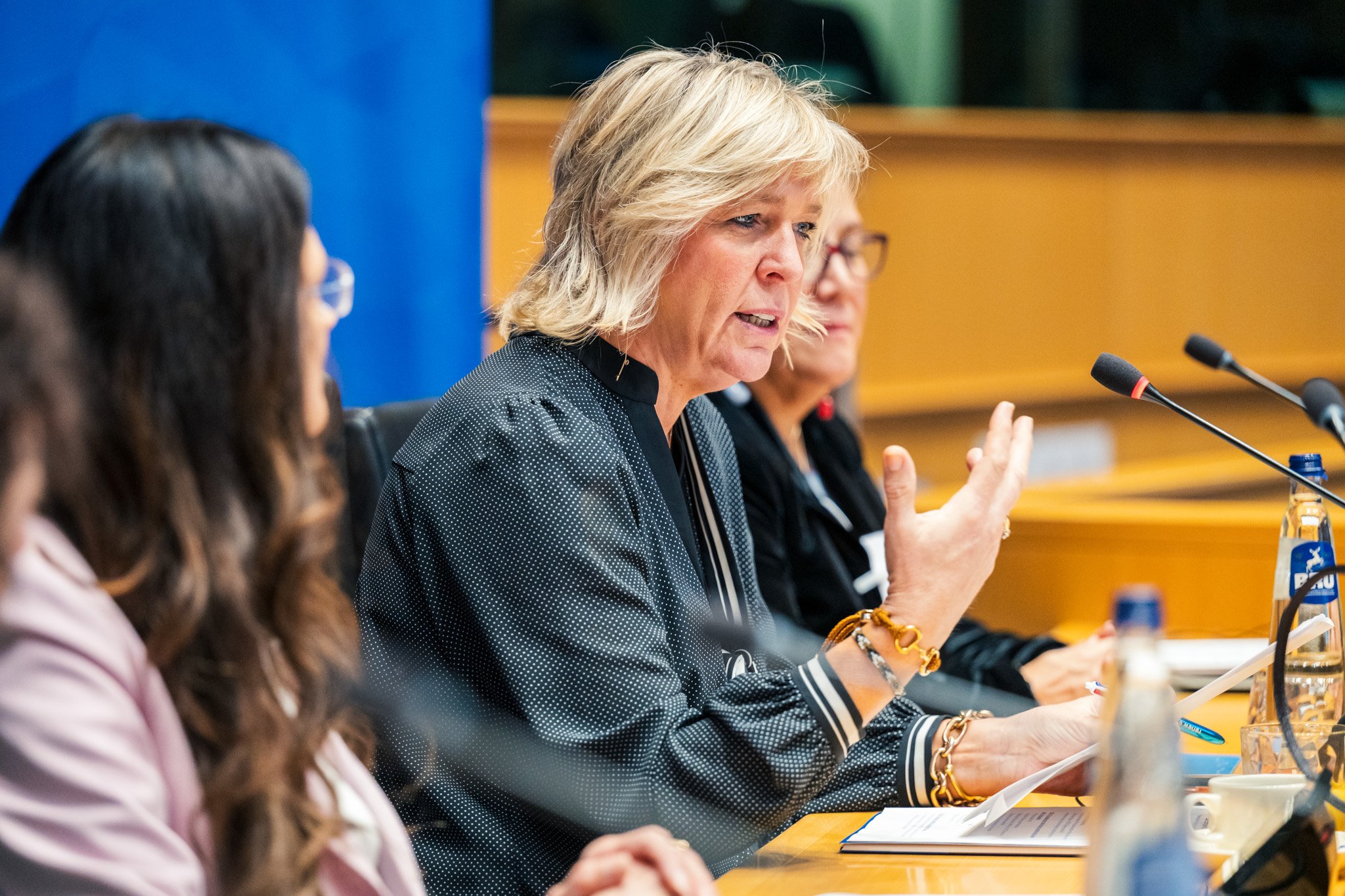
Describing CKD as a largely silent and frequently invisible condition, MEP Vautmans drew attention to the estimated 85 million Europeans living with the disease. She also highlighted striking gender disparities: men are more likely to receive kidney transplants, while women are more likely to become living kidney donors and carry a disproportionate share of informal caregiving responsibilities.
Her intervention reinforced the importance of considering healthcare as an investment rather than merely a cost. Access to life-sustaining treatments such as dialysis, investment in research and innovation, and greater public awareness are essential to protecting the health and wellbeing of European citizens. For patients with kidney failure, access to appropriate care is not simply a question of healthcare quality, but can be a matter of life and death.
Together, the opening contributions established a clear political foundation for the Forum: kidney health inequalities must be recognised within broader European discussions on prevention, health equity, research and the sustainability of healthcare systems.
The European Commission’s Perspective: Integrating Kidney Health into Cardiovascular Prevention
In his video address to the Forum, European Commissioner for Health and Animal Welfare Olivér Várhelyi welcomed the opportunity to bring kidney health into the spotlight and highlighted its close relationship with some of Europe’s most pressing health challenges.
The Commissioner emphasised the shared risk factors between CKD and cardiovascular diseases, including hypertension, diabetes and obesity. He drew particular attention to the EU Safe Hearts Plan, the first EU-wide cardiovascular health initiative to explicitly address kidney disease, marking an important step towards more integrated prevention strategies.
Of particular relevance to the kidney community was the Commissioner’s reference to the European Commission’s recently proposed guidance on cardiovascular health checks. The proposed approach supports more systematic and accessible preventive assessments, including measurements relevant to kidney health and kidney function testing where appropriate.
This recognition is significant because kidney disease frequently develops without noticeable symptoms, while earlier identification can create opportunities to intervene before irreversible damage occurs. Detecting kidney-related risks can also contribute to improved cardiovascular prevention, given the close relationship between these conditions.
Commissioner Várhelyi further highlighted the importance of addressing inequalities between women and men. Differences in diagnosis, treatment and participation in clinical research can contribute to unequal health outcomes, reinforcing the need for more inclusive approaches to prevention and care. He referred to European initiatives aimed at improving understanding of these disparities, including the development of a Cardiovascular Health Inequalities Dashboard and research supported through Horizon Europe.
For EKHA, the Commissioner’s message represents an important opportunity to strengthen the recognition of kidney health within European cardiovascular and chronic disease prevention policies. Rather than treating kidney disease as an isolated condition, European health strategies should reflect the interconnected nature of kidney, cardiovascular and metabolic health.
Behind Every Kidney Disease Diagnosis Is a Human Story
While scientific evidence and policy frameworks provided an essential foundation for the Forum, some of its most powerful moments came from the personal experiences shared by patient advocates and caregivers. Their testimonies reminded participants that kidney disease is not simply a clinical diagnosis, but a condition that can profoundly affect family life, employment, emotional wellbeing and the future of everyone involved.
Susana Carvajal, President of the European Federation of Patient Associations with Rare Kidney Disease (FEDERG), described the often invisible reality of living with kidney disease, particularly rare kidney conditions. Behind a diagnosis may lie demanding medication schedules, repeated hospitalisations, constant monitoring, uncertainty and considerable emotional pressure. These challenges extend well beyond the patient, affecting the families and caregivers who help manage complex treatment routines and navigate healthcare services.
She highlighted the gender dimension of this burden, noting that caregivers are frequently women who assume substantial responsibilities alongside their professional and family lives. Women living with kidney disease also face specific challenges relating to menstruation, sexuality, fertility and pregnancy, which are not always adequately recognised within healthcare pathways.
Referring to the Rare Kidney Disease Barometer, Susana Carvajal emphasised the importance of measuring the wider consequences of kidney disease, including its effects on mental health, education, employment, income and caregivers’ wellbeing. She identified three priorities for action: strengthening prevention and earlier identification, ensuring gender-responsive care, and making the invisible burden of kidney disease more visible to healthcare professionals and policymakers.
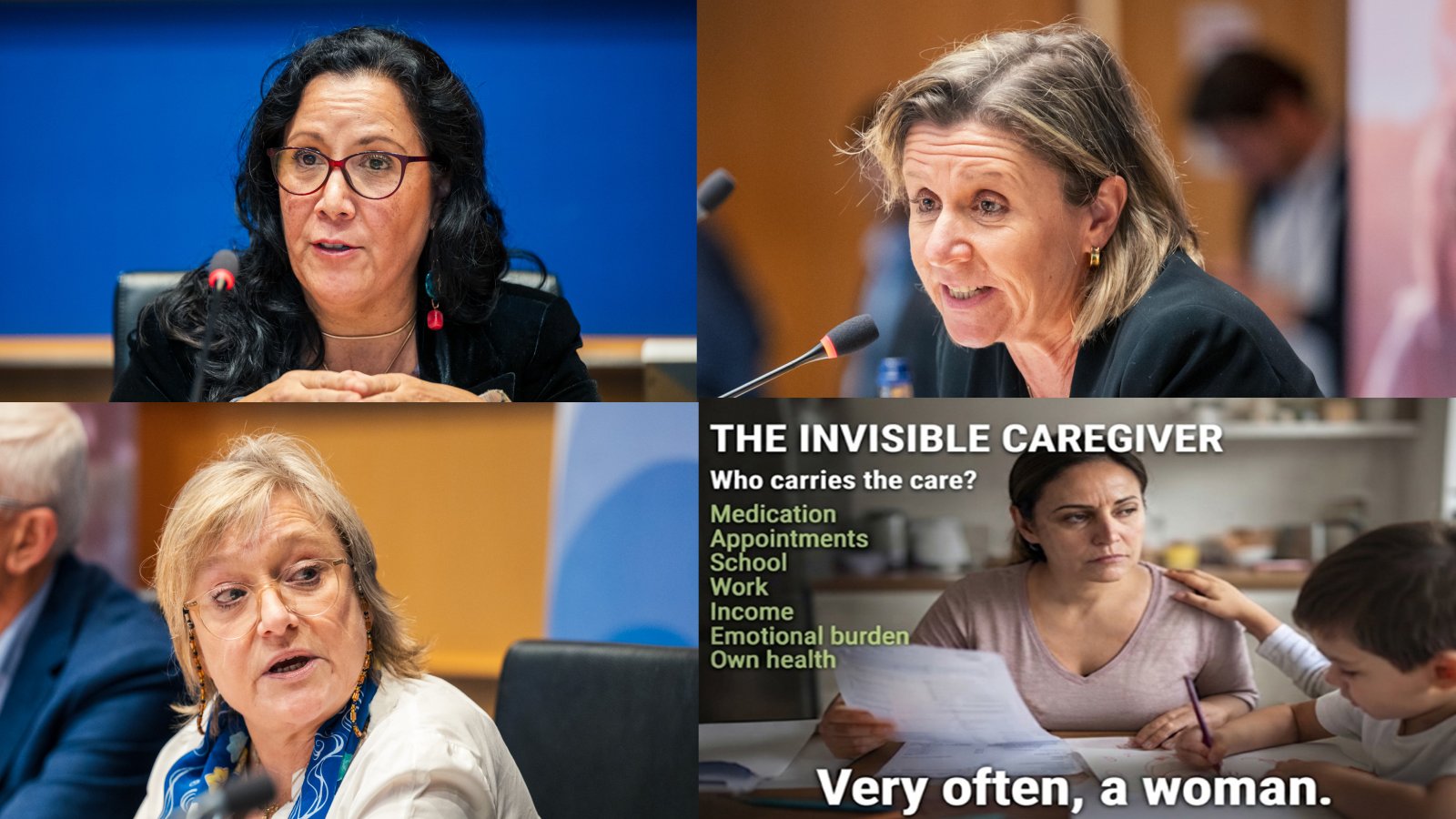
Amanda Harvey Dehaye, General Manager of EKHA, brought another deeply personal perspective, sharing her experience as a mother and living kidney donor to her son, whose kidneys failed unexpectedly when he was just 18 years old. Her testimony illustrated the extraordinary responsibilities that family members may assume when kidney disease suddenly transforms a young person’s life.
As a living donor, Amanda described how women often contribute not only their time, care and emotional support, but sometimes their own bodies to help a loved one survive. Although transplantation can be life-changing, it does not necessarily bring an end to the challenges associated with kidney disease. The fear of transplant failure, the possibility of further treatment or another transplant, and the uncertainty surrounding the future can remain with patients and families long after the operation.
Her experience also highlighted the lasting psychological consequences of kidney disease and the importance of recognising the needs of living donors and caregivers. The emotional burden of treatment, concerns about a child’s future and the constant awareness of potential complications cannot be fully captured through clinical indicators alone.
These testimonies had a particularly strong impact on the Members of the European Parliament attending the Forum. MEP Romana Jerković explicitly acknowledged the importance of these personal experiences, conveying that such testimonies are what drive policymakers forward, giving urgency and human meaning to the need for political action.
The message was compelling: behind every kidney disease diagnosis is a human story, and behind many patients is a caregiver whose contribution remains largely invisible. Effective kidney health policies must recognise both.
Kidney Health Across the Lifespan: Recognising Missed Opportunities for Prevention
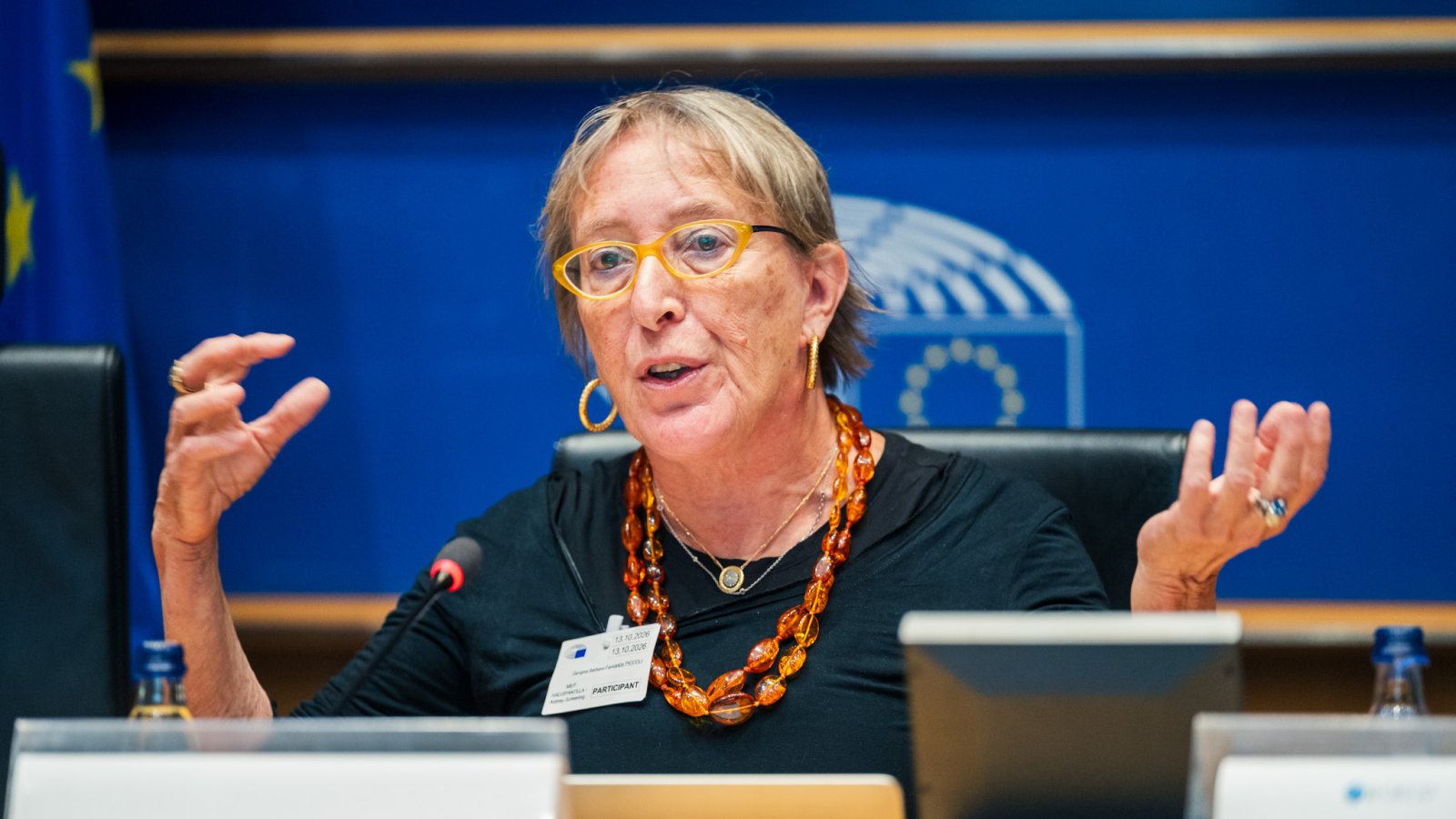
The scientific dimension of the Forum was explored in depth by Dr Georgina Piccoli, Head of Nephrology at Le Mans Hospital, who examined how kidney health risks and inequalities evolve throughout life. Her presentation demonstrated that the opportunities for prevention and early diagnosis begin long before adulthood, while the barriers to timely care can differ substantially between women and men.
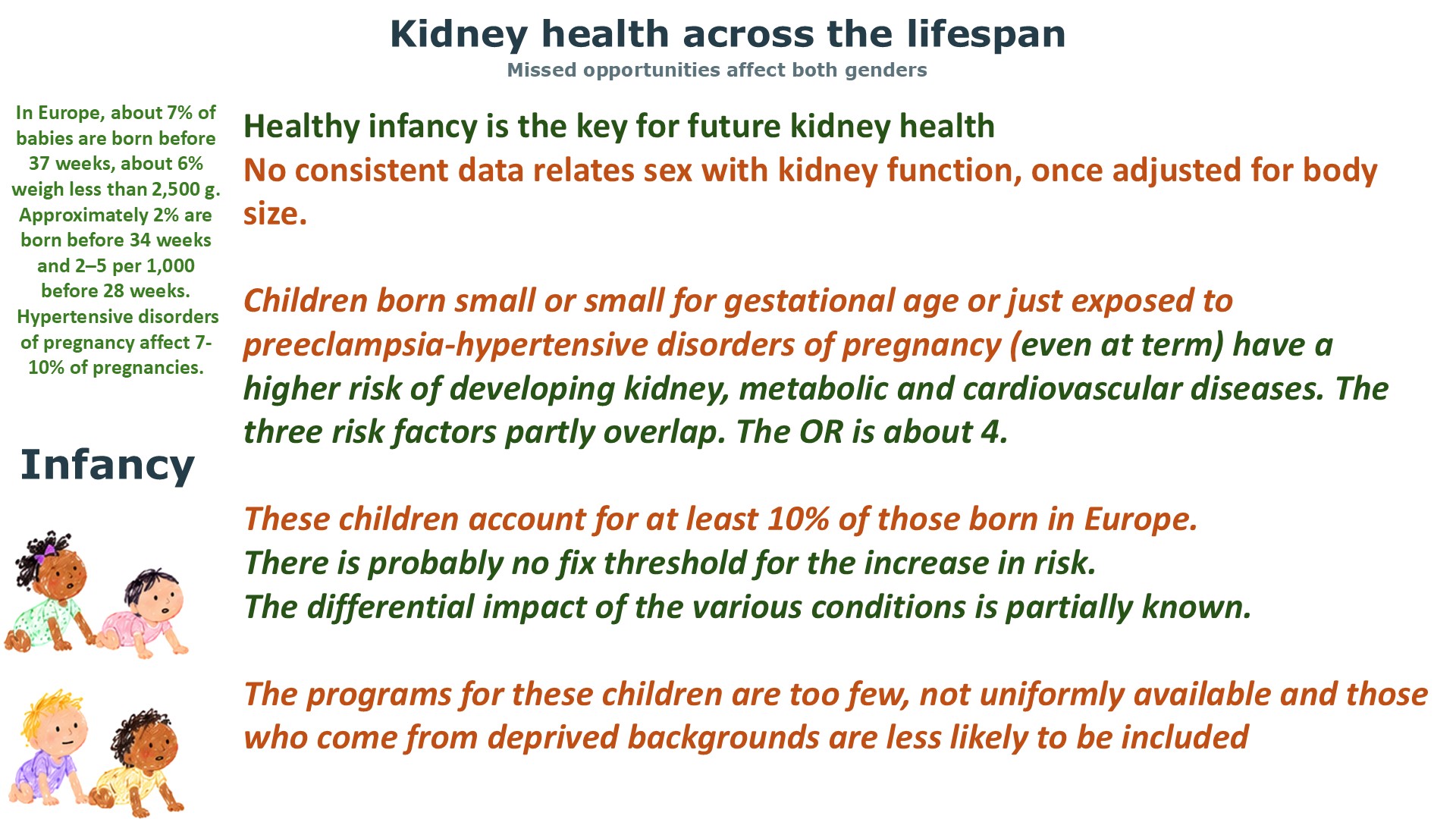
One important focus was the relationship between pregnancy, early development and future kidney health. Premature birth, low birth weight and exposure to hypertensive disorders during pregnancy can increase the risk of kidney, cardiovascular and metabolic conditions later in life. Yet structured follow-up programmes for children with these risk factors remain insufficient and unevenly available across Europe, particularly for families experiencing socioeconomic disadvantage.
During childhood and adolescence, early diagnosis and continuity of care are particularly important. Young people living with kidney disease may face additional risks during puberty, while the transition from paediatric to adult healthcare can disrupt established relationships with healthcare professionals and compromise treatment adherence. Dr Piccoli highlighted the need for better transition pathways and stronger recognition of the different biological, psychological and social factors affecting young patients.
Pregnancy emerged as a particularly important opportunity for earlier kidney disease detection. CKD is estimated to affect approximately 3–5% of women of reproductive age, yet early disease often remains undiagnosed. Pregnancy can reveal previously unrecognised kidney conditions, while complications such as preeclampsia may signal an increased risk of kidney and cardiovascular disease later in life.
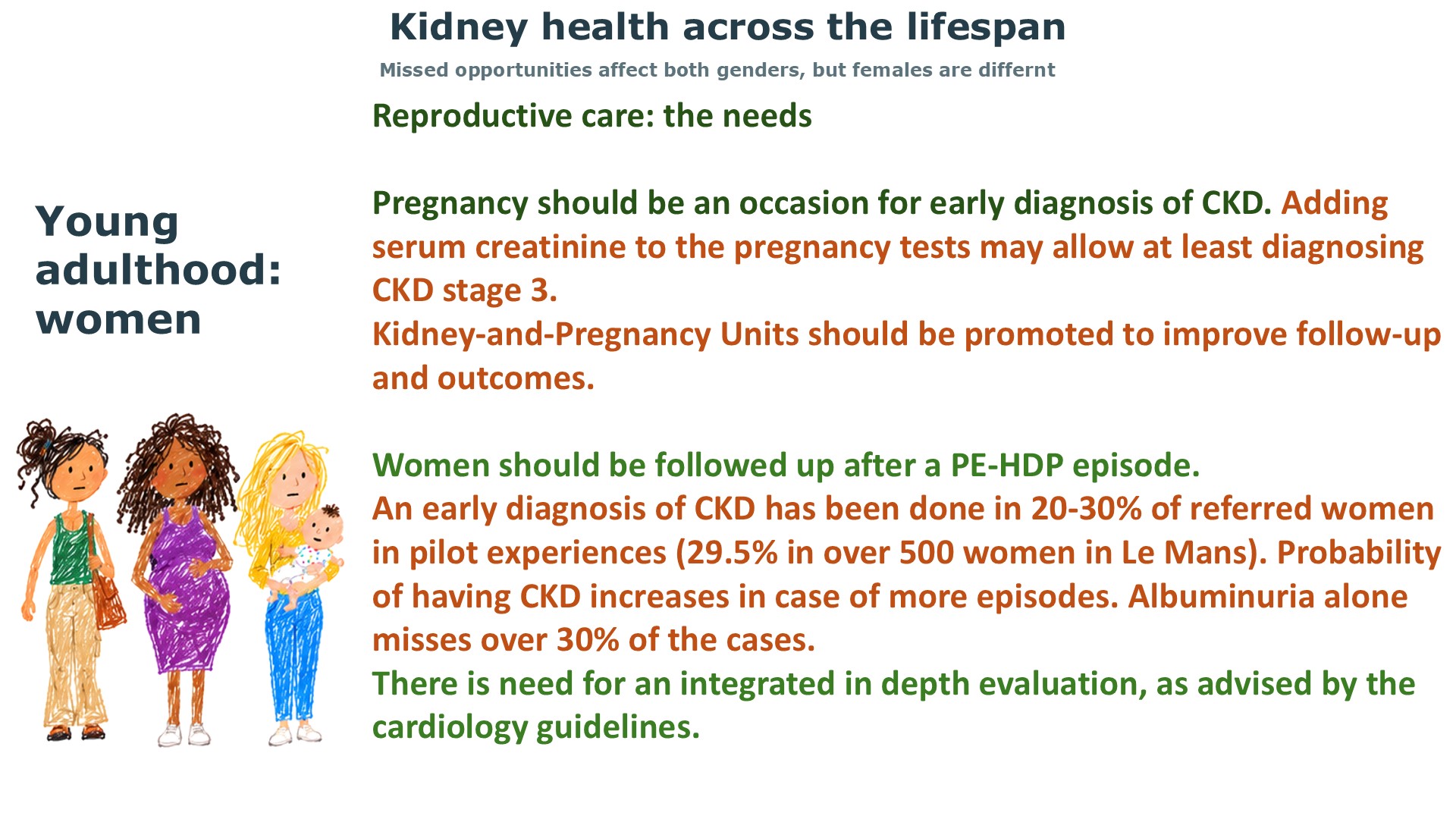
Dr Piccoli highlighted evidence from follow-up programmes, including experience from Le Mans, demonstrating that structured assessment after hypertensive pregnancy complications can identify previously undiagnosed CKD in a substantial proportion of women. She also emphasised that relying on albuminuria alone may miss some cases, reinforcing the need for more comprehensive kidney health evaluation and stronger collaboration between obstetricians and nephrologists.
The presentation also examined missed opportunities affecting men. Young men often have fewer routine contacts with healthcare services than women of reproductive age, potentially delaying the identification of kidney disease. Early-onset hypertension and other risk factors should prompt appropriate assessment, while referral pathways need to support specialist involvement before kidney disease has progressed significantly.
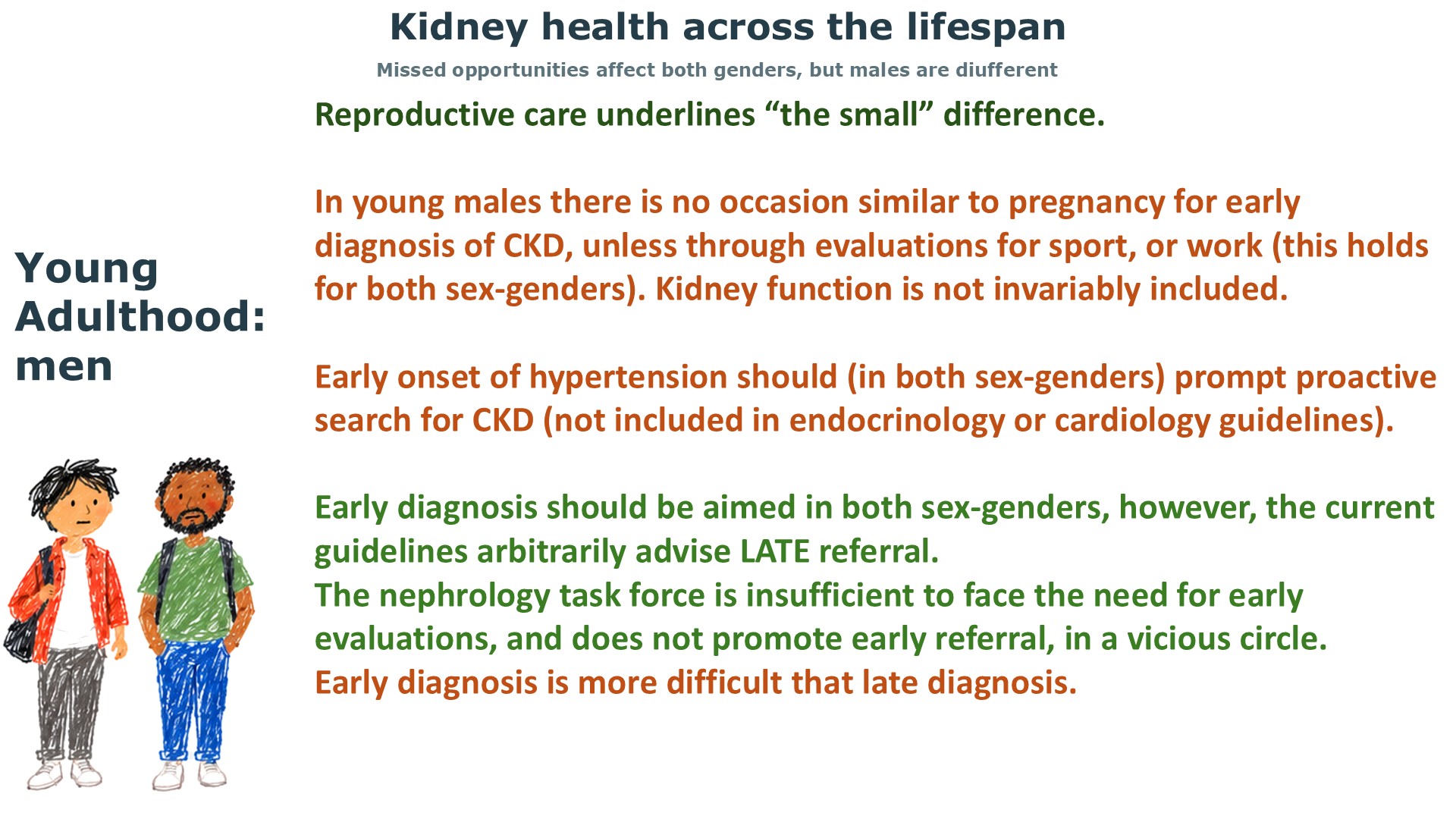
These challenges continue into older age, where differences in cardiovascular risk, kidney disease progression, access to specialist care and treatment outcomes remain important. Late nephrology referral continues to affect a substantial proportion of patients starting dialysis in Europe, limiting opportunities for earlier intervention and better preparation for kidney replacement therapy.
Dr Piccoli also stressed that kidney disease is strongly associated with socioeconomic inequalities. People experiencing disadvantage may face greater exposure to risk factors while having fewer opportunities to access preventive services and specialist follow-up.
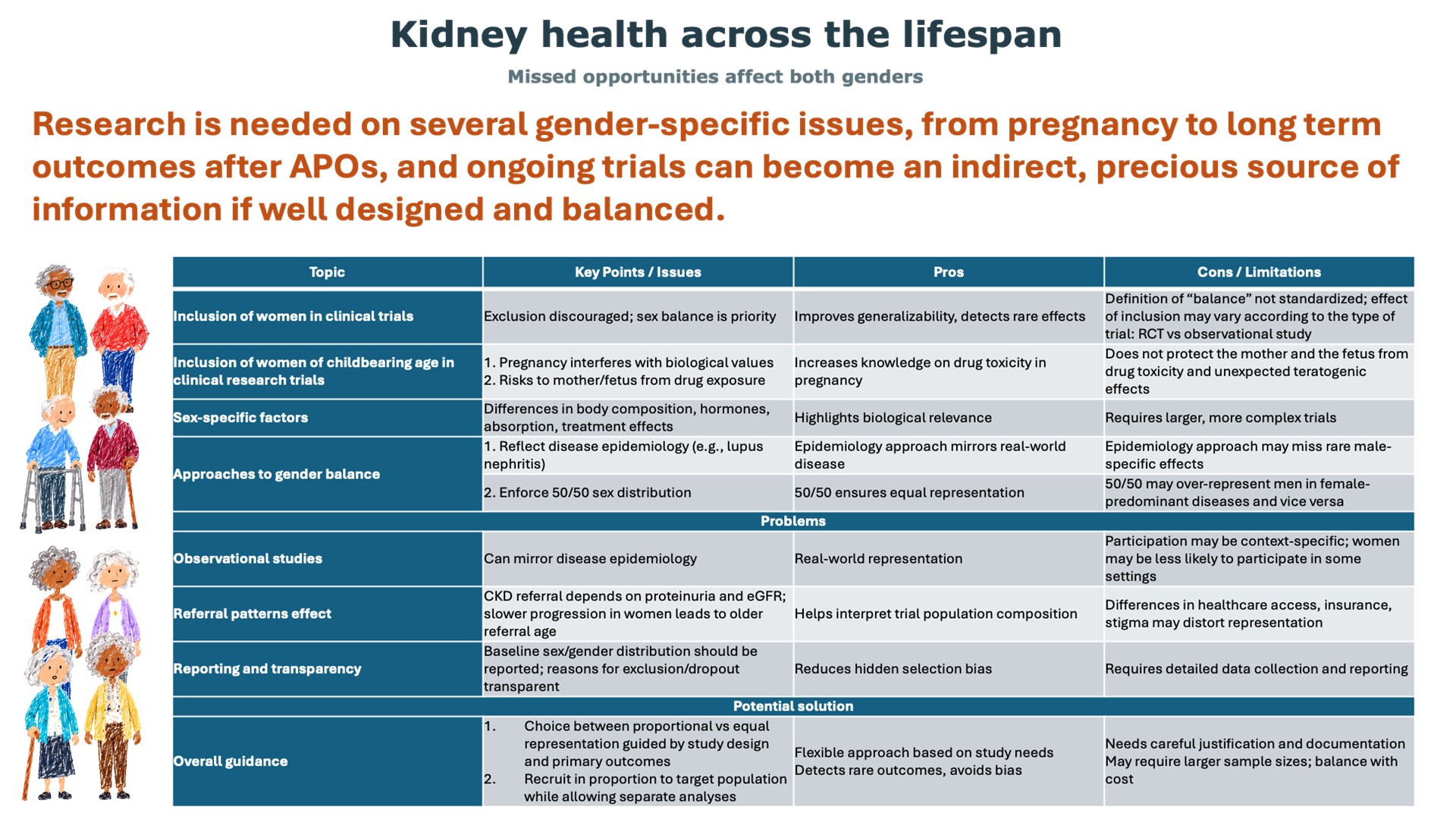
The overarching conclusion was that kidney health must be addressed throughout the lifespan, with prevention and care pathways adapted to individual risks, biological differences and social circumstances. Research and clinical interventions must advance together, supported by healthcare systems with sufficient capacity to identify and manage kidney disease earlier.
The Patient Perspective: Access to Treatment, Reproductive Health and the Burden of Chronic Disease
The Forum’s panel discussion, “From Gaps to Action: Policy Priorities for Gender Equity and Kidney Health”, brought together patient representatives, clinical experts, international health policy specialists and Members of the European Parliament to consider how the evidence presented could be translated into practical improvements.
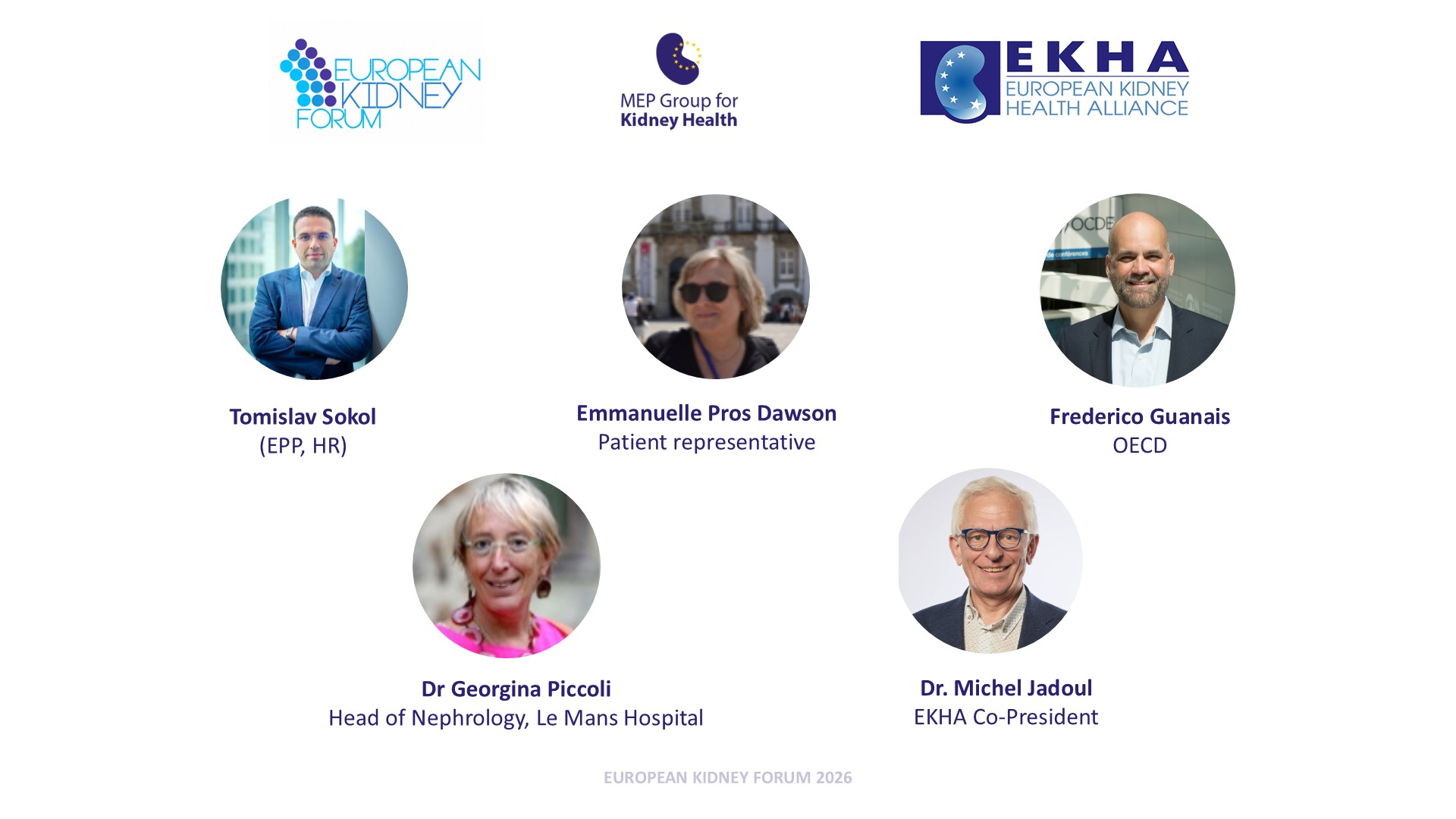
Emmanuelle Pros Dawson, speaking from the perspective of someone living with CKD, shared the challenges she experienced throughout her healthcare journey. Her four pregnancies placed additional strain on her kidneys at a time when kidney function was not routinely monitored as closely as it should have been. Her experience illustrated the importance of recognising pregnancy-related risks and ensuring that women receive appropriate kidney health assessment and follow-up.
She eventually required a kidney transplant, but finding a compatible donor proved particularly difficult because of her antibody levels. Her testimony highlighted the complexity of transplantation and the challenges that patients may face even when potentially life-changing treatments are available.
Beyond the clinical difficulties, she drew attention to the financial and administrative barriers that can prevent patients from accessing medicines and treatment. Securing funding, navigating healthcare systems and obtaining appropriate care can place additional burdens on people already coping with serious chronic illness.
While acknowledging the progress made through medical research and new treatments, Emmanuelle emphasised the need to improve access to medicines, reduce administrative obstacles and continue investing in clinical research. Her contribution reinforced an essential principle of equitable healthcare: scientific innovation can only deliver its full benefit when patients can access the treatments and services they need.
The OECD Perspective: Measuring What Matters to Patients
Frederico Guanais, Deputy Head of the Health Division at the Organisation for Economic Co-operation and Development (OECD) Directorate for Employment, Labour and Social Affairs, brought an international health systems perspective to the Forum’s discussion of gender inequalities.
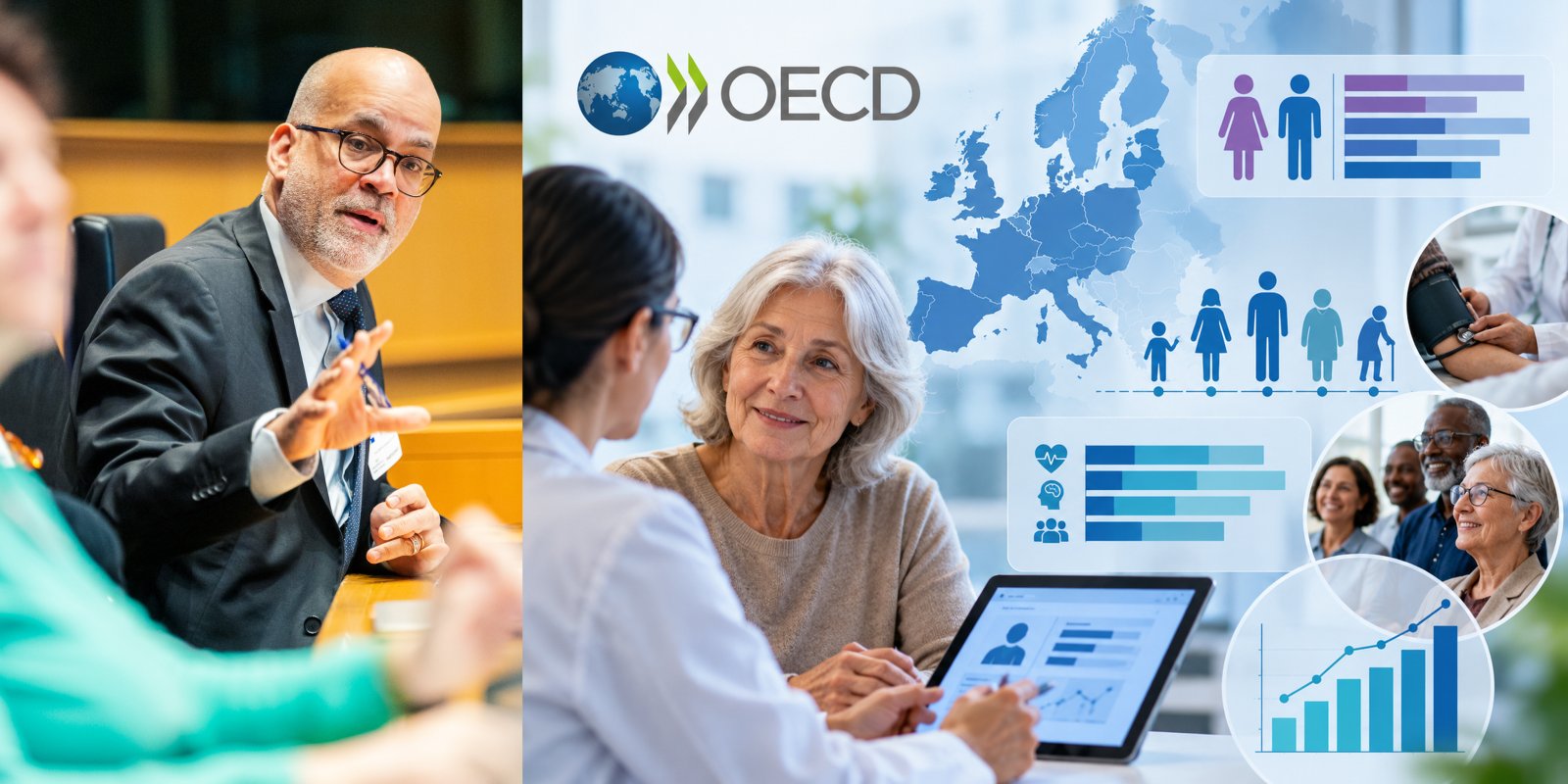
Drawing on the OECD’s work on gender and health, cardiovascular disease and patient-reported outcomes, he acknowledged that kidney health has not yet received sufficient attention within some of these broader analyses. He also referred to the OECD’s forthcoming work on gender-related health inequalities, including a report expected in 2027, provisionally titled “Why Men Die Younger and Women Get Sicker”.
His contribution highlighted important differences in the way women and men interact with healthcare systems. Men generally have less contact with healthcare services during much of early and middle adulthood, potentially reducing opportunities for preventive assessment and early diagnosis. Women, meanwhile, may experience different barriers to timely recognition and treatment, despite more frequent interactions with healthcare providers.
These patterns are particularly relevant to kidney health, where delayed diagnosis can have serious consequences and where biological risks interact with differences in healthcare access and utilisation.
Frederico Guanais also discussed the OECD’s Patient-Reported Indicator Surveys (PaRIS) initiative, which gathers information directly from patients about their health outcomes and experiences of healthcare. The findings highlight the high prevalence of chronic conditions among people aged 45 and over, with many individuals living with multiple conditions that affect their quality of life and require coordinated long-term care. Mental health is another important dimension. Women report higher rates of depression and certain other mental health conditions, while inequalities associated with education and income can further influence health outcomes and access to services.
The OECD perspective reinforced the importance of moving beyond healthcare systems that primarily respond to individual diseases in isolation. People living with multiple chronic conditions need accessible primary care, effective coordination between specialists and services that consider their physical, psychological and social needs.
For kidney health policy, this means measuring success not only through clinical outcomes, but also through patients’ experiences, quality of life, access to care and the ability of healthcare systems to respond to complex individual needs.
The European Health Data Space: Turning Better Information into More Equitable Care
MEP Tomislav Sokol (EPP, Croatia) highlighted the opportunities offered by the European Health Data Space (EHDS) to improve healthcare coordination, strengthen research and support more equitable health policies. Acknowledging that some of the gender disparities presented during the Forum were not widely recognised, he emphasised the importance of representative, high-quality health data in identifying inequalities and developing effective responses.
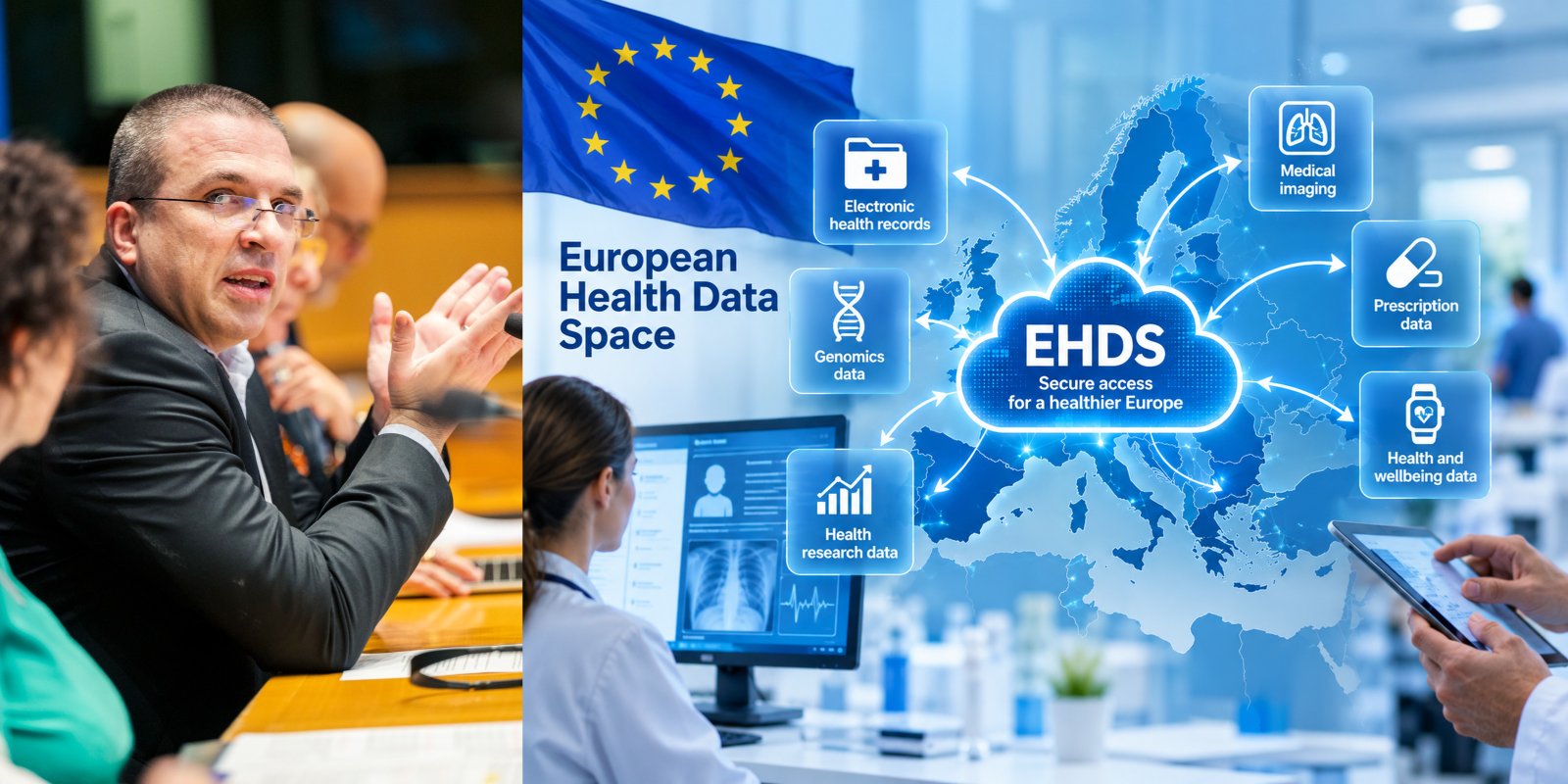
The EHDS provides a framework for two complementary uses of health information. Its primary use aims to facilitate access to and exchange of electronic health records across Member States, supporting continuity of care and reducing administrative barriers, particularly for patients who receive healthcare in another EU country. For people living with chronic conditions such as kidney disease, improved access to medical information could help ensure more coordinated and efficient treatment.
Its secondary use creates opportunities for researchers, universities and policymakers to use structured and comparable health data for research and public-interest purposes, subject to appropriate safeguards. This could contribute to a better understanding of differences in kidney disease diagnosis, treatment and outcomes between women and men, as well as disparities associated with age, socioeconomic circumstances and geographical location.
MEP Sokol also addressed the importance of balancing the availability and representativeness of health data with patient rights and data protection. Discussions around consent, opt-in and opt-out approaches illustrated the complexity of building systems that are both scientifically useful and trusted by the public.
Successful implementation of the EHDS will require investment in digital infrastructure, interoperability and secure data governance. However, its potential for kidney health is substantial. Better data can help make previously overlooked inequalities visible, enabling healthcare systems and policymakers to target interventions where they are most needed.
From Research and Innovation to Earlier, More Effective Care
The Forum’s discussions also examined how scientific progress can be translated into practical improvements in kidney healthcare.
Professor Michel Jadoul, EKHA Co-President, contributed the perspective of clinical nephrology and the wider European kidney community. His participation reinforced the importance of connecting advances in research and treatment with improvements in routine clinical practice and access to specialist care.
During the question-and-answer session, participants raised the need for continued research into kidney fibrosis and metabolic risk factors, alongside better approaches to identifying and managing kidney disease before it reaches advanced stages. Professor Jadoul emphasised the importance of continued innovation, while Dr Piccoli drew attention to the organisational challenges that can prevent scientific progress from delivering its full potential.
Dr Piccoli noted that diagnosing advanced kidney disease is often more straightforward than identifying early-stage disease or detecting underlying processes such as fibrosis. However, earlier diagnosis alone is insufficient if healthcare systems lack the capacity to provide timely and appropriate care.
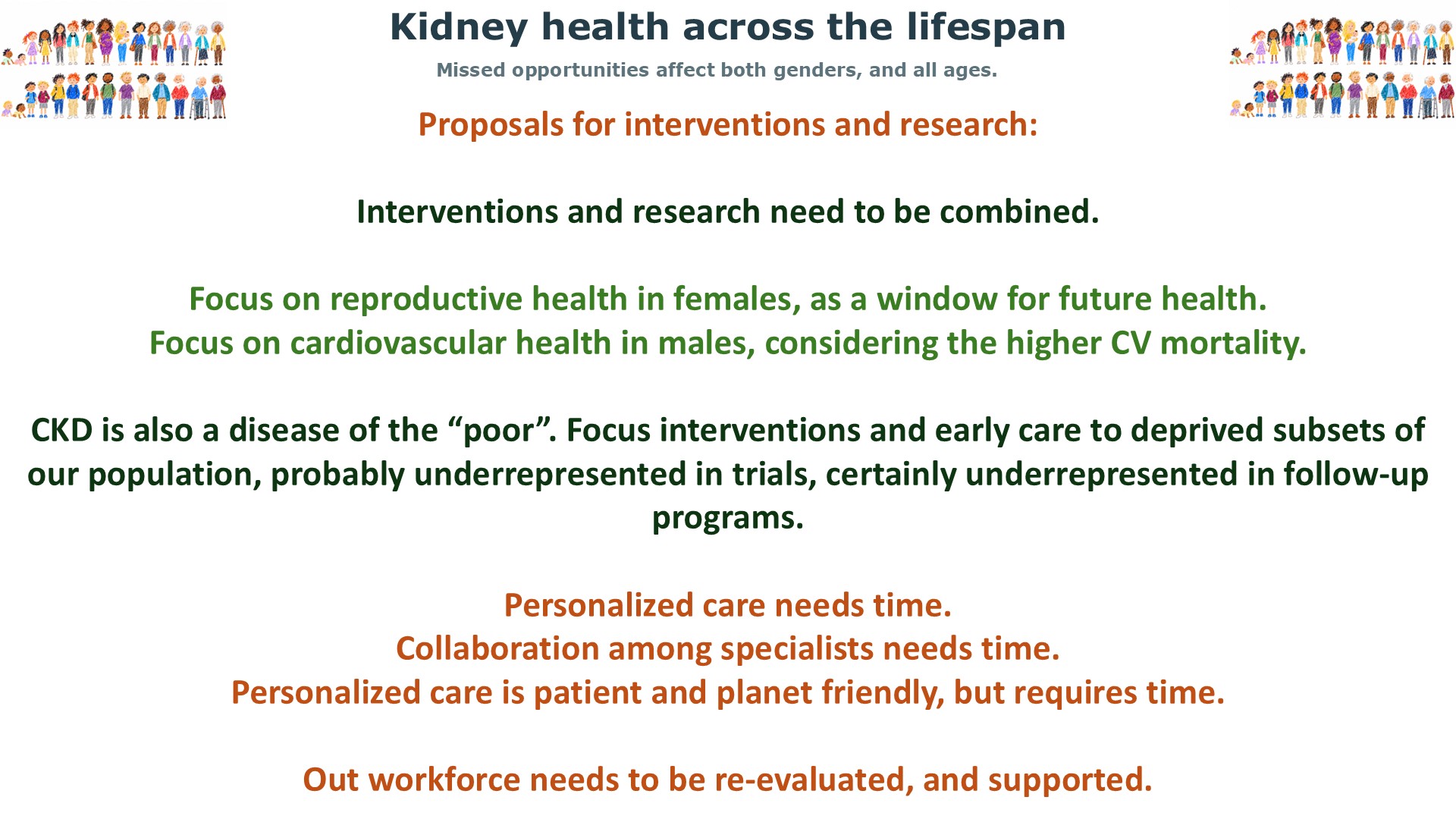
Nephrology services are frequently overstretched, and referral pathways may not adequately support early intervention. This creates a difficult situation in which patients may be identified as being at risk but still encounter barriers to specialist assessment and comprehensive management.
The discussion therefore highlighted the need to rethink how kidney healthcare is organised, including the role of primary care, specialist referral criteria, multidisciplinary collaboration and workforce capacity. Particular attention should be given to people in middle adulthood, when earlier intervention may offer important opportunities to prevent or delay progression.
Innovation must extend beyond medicines and diagnostic technologies to include the organisation of care itself. Research, healthcare workforce planning and service delivery need to advance together if earlier detection is to translate into better patient outcomes.
A European Policy Agenda for More Equitable Kidney Health
The European Kidney Forum 2026 identified several interconnected priorities for improving kidney health and addressing persistent disparities. Together, these provide a basis for further dialogue between European institutions, Member States, healthcare professionals, researchers and patient organisations.
1. Integrate Kidney Health into European Prevention Strategies
Kidney health should be recognised as an integral component of broader European approaches to cardiovascular disease, diabetes, hypertension and obesity. The EU Safe Hearts Plan and proposed cardiovascular health checks offer important opportunities to strengthen integrated prevention, including appropriate kidney function assessment and earlier identification of people at increased risk.
Rather than developing disconnected approaches to individual chronic conditions, European health policies should reflect their shared risk factors and frequent coexistence. Better coordination could improve prevention while reducing avoidable complications and long-term pressure on healthcare systems.
2. Make Prevention and Care More Gender-Responsive
Gender-sensitive kidney healthcare requires recognition of both biological differences and the social factors that shape health outcomes. This includes improving kidney health assessment during pregnancy and after hypertensive pregnancy complications, addressing barriers to earlier diagnosis among men, and ensuring that women and men receive timely referral and appropriate specialist care.
Research and clinical guidelines should also better reflect differences in disease patterns, treatment responses and patient experiences. More inclusive approaches can help ensure that prevention and care respond to individual needs rather than relying on assumptions that may overlook important disparities.
3. Strengthen Continuity of Care Throughout Life
Effective kidney disease prevention should begin early and continue throughout life. Children born with increased kidney health risks, adolescents transitioning between healthcare services, adults with previously undetected disease and older people facing complex health needs all require appropriate pathways of care.
This calls for stronger collaboration between primary care, paediatrics, obstetrics, nephrology, cardiology and other specialties. Continuity should be supported through better referral arrangements, shared clinical information and sufficient healthcare capacity to provide personalised follow-up.
4. Use Health Data and Research to Reveal Inequalities
The European Health Data Space and ongoing European research initiatives offer opportunities to improve understanding of kidney health disparities. More representative and comparable data, including sex-disaggregated information and patient-reported outcomes, can help identify where inequalities arise and assess whether policy interventions are effective.
At the same time, data-driven innovation must be supported by strong safeguards, transparency and public trust. Patients should be able to benefit from improved research and healthcare coordination while retaining confidence that their personal health information is handled responsibly.
5. Address Socioeconomic Barriers to Healthcare
Kidney health inequalities cannot be understood solely through biological differences between women and men. Income, education, geographical location and other social circumstances influence exposure to risk factors, access to preventive services and opportunities for long-term care.
European and national strategies should therefore pay particular attention to underserved populations and ensure that prevention, research and specialist services reach those who may face the greatest barriers. Reducing disparities requires both targeted interventions and broader efforts to make healthcare systems more accessible and inclusive.
6. Recognise Patients, Caregivers and Living Donors
The personal testimonies shared at the Forum demonstrated the importance of looking beyond clinical indicators to understand the full consequences of kidney disease. Patients, informal caregivers and living donors may face substantial emotional, physical, social and financial challenges that require greater recognition within healthcare policy.
Their involvement in policy development, research and service evaluation is essential. More people-centred healthcare should include appropriate psychological support, accessible information, shared decision-making and attention to the long-term wellbeing of families affected by kidney disease.
7. Support Healthcare Systems to Deliver Earlier Care
Earlier diagnosis can only improve outcomes when appropriate care is available. Strengthening the nephrology workforce, supporting multidisciplinary collaboration and improving referral pathways are therefore essential complements to expanded prevention and screening efforts.
Healthcare systems must have the capacity to act on the risks they identify. Investment in early detection should be matched by investment in the professionals, infrastructure and care pathways needed to provide timely treatment and follow-up.
From Political Commitment to Tangible Improvements
The Forum concluded with reflections from MEP Romana Jerković and MEP Aurelijus Veryga (ECR, Lithuania), who reinforced the importance of sustained political engagement and cooperation across European institutions.
MEP Jerković acknowledged the responsibility of policymakers to help translate the evidence and personal experiences shared during the Forum into meaningful change. While major improvements cannot happen overnight, she emphasised that progress can begin with smaller, concrete actions that address identified gaps and build momentum for wider reform.
She also highlighted the European Parliament’s role in encouraging the exchange of best practices and supporting Member States in turning patient needs into funding decisions and practical improvements in healthcare. The testimonies presented during the Forum gave particular urgency to this responsibility, reminding policymakers of the real lives affected by delayed diagnosis, inadequate access to treatment and the burden of chronic disease.
MEP Aurelijus Veryga emphasised that the participation of representatives from different political groups demonstrated that health is a shared European priority. He reflected on the evolving role of the EU in health policy, noting that while healthcare has traditionally been regarded primarily as a national competence, there is growing recognition of the contribution European cooperation can make to improving access, supporting research and addressing unmet medical needs.
He highlighted the importance of timely diagnosis, continued research, access to innovative treatments and greater education and awareness, particularly in relation to transplantation. Mental health, he stressed, should also be recognised as an integral part of kidney care rather than treated as a separate concern.
Looking ahead, MEP Veryga called for stronger European cooperation and increased investment in health within the next Multiannual Financial Framework (MFF), the EU’s long-term budget. His intervention reinforced the importance of matching scientific progress and political ambitions with the financial resources needed to improve healthcare across Europe.
The closing discussions reflected a shared understanding that kidney health challenges cannot be resolved by any single institution or stakeholder group. Progress will require cooperation between EU institutions, national authorities, healthcare professionals, researchers, patient organisations and the wider kidney community.
Looking Ahead: Making Kidney Health a Shared European Priority
The European Kidney Forum 2026 demonstrated that gender disparities in kidney health are neither isolated clinical issues nor inevitable consequences of biological differences. They reflect a complex interaction between health risks, reproductive experiences, social circumstances, research gaps and the organisation of healthcare.
The scientific evidence presented at the Forum highlighted important opportunities for earlier detection and better management throughout life. The patient testimonies revealed the human consequences of missed diagnoses, unequal access to care and the often invisible responsibilities carried by caregivers and living donors. Contributions from European policymakers and international health experts demonstrated how EU initiatives on cardiovascular prevention, health data, research and healthcare inequalities could help address these challenges.
For EKHA, the discussions reinforce the need to ensure that kidney health remains visible within the European policy agenda, particularly as the EU advances new approaches to chronic disease prevention, health system resilience and equitable access to care.
The challenge now is to turn awareness into implementation, scientific evidence into effective healthcare pathways, and political commitment into tangible improvements for patients and families. Earlier diagnosis, better coordinated care, more inclusive research and stronger recognition of patients’ experiences are essential elements of this ambition.
The European Kidney Forum 2026 has provided an important platform for advancing this dialogue. EKHA will continue working with European institutions, Member States, healthcare professionals, researchers and patient communities to promote a future in which kidney disease is detected earlier, inequalities are reduced and everyone has a better opportunity to receive the care they need.
Acknowledgements
The European Kidney Health Alliance extends its sincere gratitude to MEP Romana Jerković and MEP Michalis Hadjipantela for co-hosting the European Kidney Forum 2026 at the European Parliament and supporting an important exchange on kidney health disparities and gender equity.
EKHA warmly thanks all Members of the European Parliament who participated in and contributed to the Forum, including MEP Hilde Vautmans, MEP Nikos Papandreou, MEP Tomislav Sokol and MEP Aurelijus Veryga. Their engagement across political groups reflects the importance of kidney health as a shared European policy priority and the value of continued parliamentary dialogue on prevention, research and equitable access to care.
We are particularly grateful to European Commissioner for Health and Animal Welfare Olivér Várhelyi for his video address and for recognising the importance of kidney health within the EU’s cardiovascular prevention agenda.
Our sincere appreciation goes to all speakers, panellists and contributors, including Susana Carvajal, President of FEDERG; Amanda Harvey Dehaye, President of EKHA; Emmanuelle Pros Dawson, patient representative; Frederico Guanais, Deputy Head of the OECD Health Division; Dr Georgina Piccoli, Head of Nephrology at Le Mans Hospital; and Professor Michel Jadoul, EKHA Co-President. We also thank Tamsin Rose for moderating the Forum and facilitating a thoughtful and constructive exchange between policymakers, clinical experts and patient representatives.
EKHA is especially grateful to the patients, caregivers and living donors who shared their experiences. Their contributions brought a vital human dimension to the policy discussions and demonstrated why addressing kidney health inequalities is both a healthcare priority and a matter of social equity.
The European Kidney Forum 2026 was made possible with the valued support of its sponsors: Boehringer Ingelheim, Sobi, AstraZeneca, Astellas, B. Braun, CSL Vifor, Hansa Biopharma, Roche and Vantive. EKHA sincerely thanks these organisations for supporting the Forum and helping to enable an important European dialogue on kidney health, gender equity and the future of care.
Finally, we thank all participants, partner organisations, healthcare professionals, researchers and stakeholders whose engagement contributed to the success of the Forum and to the shared commitment to improving kidney health across Europe.
Together, we can advance a Europe where kidney disease is detected earlier, care is more equitable, and patients and families have greater opportunities to live healthier lives.