
A European Mission to Make Healthcare Sustainable
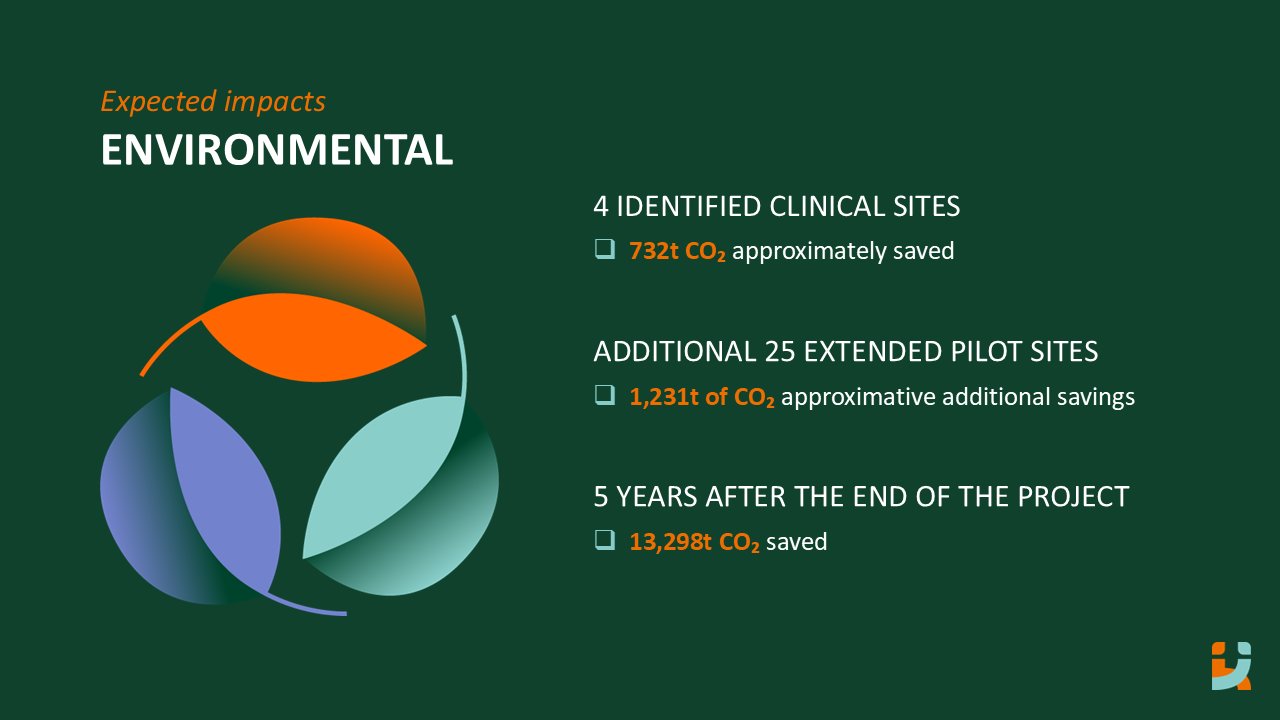
Europe’s healthcare systems save millions of lives every year, but healthcare itself also has a significant environmental footprint. It uses energy, water, transport, medical products and other resources, while generating waste and emissions.
Current measures are not sufficient to meet the ambitions of the European Green Deal. Healthcare professionals, hospitals, policymakers and patients increasingly need to understand which care options protect patient safety, reduce environmental impact, remain financially sustainable and create social value. KitNewCare was created to help answer those questions in a more integrated way.
Why Kidney Care Is a Strong Starting Point
Kidney care is one of the most suitable areas for testing sustainable healthcare solutions. Patients with chronic kidney disease often need long-term care involving regular dialysis, high water and energy use, medical consumables, transport, complex logistics and long clinical pathways.
This makes kidney care resource-intensive, but also highly structured. Because kidney care pathways are relatively well defined, they offer a strong real-world setting for testing practical sustainability improvements that could later inform other resource-intensive areas of healthcare, including surgery, anaesthetics and intensive care.
A Four-Dimensional View of Sustainable Healthcare
KitNewCare will assess sustainability impacts across care pathways, drawing on existing evidence, site-level information and stakeholder input, while keeping patient safety and quality of care central.
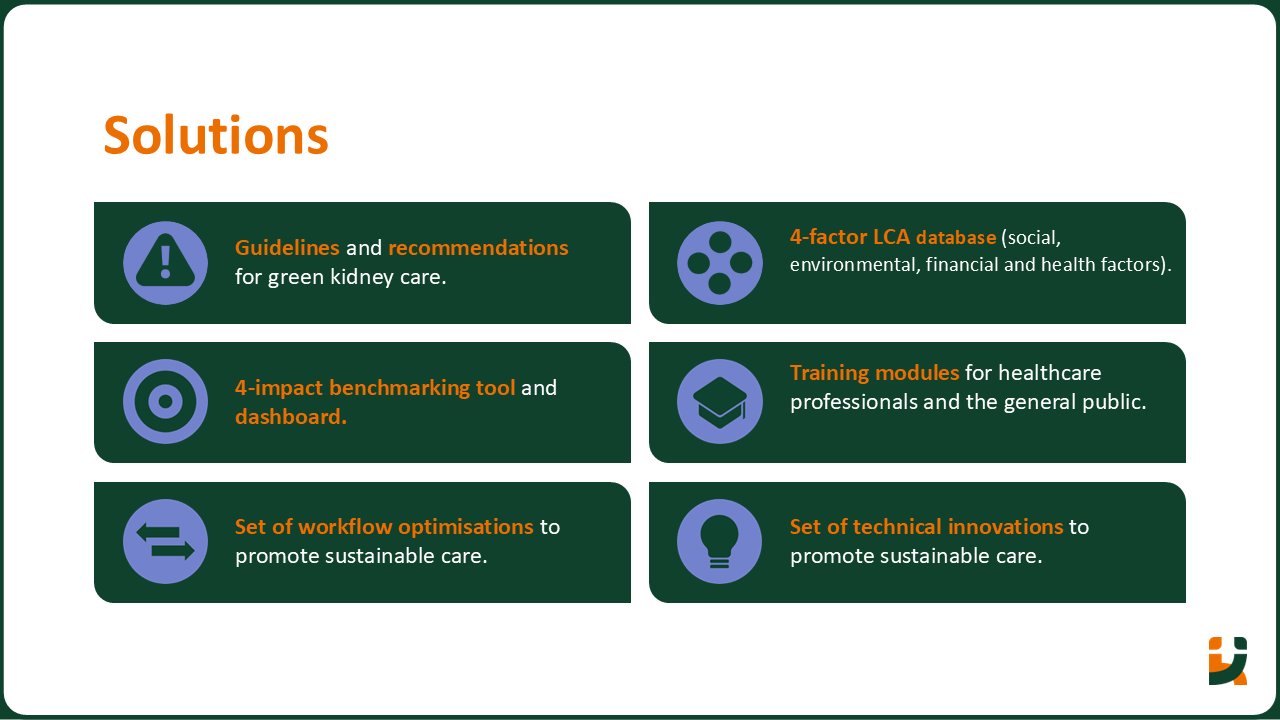
The project is built around a 4-factor Life Cycle Assessment framework, looking at four connected dimensions rather than treating them as separate issues:
- Health and quality of care: quality, safety, patient outcome evidence, patient experience and quality-of-life considerations.
- Environmental impact: greenhouse gas emissions, energy use, water use, waste generation and resource efficiency.
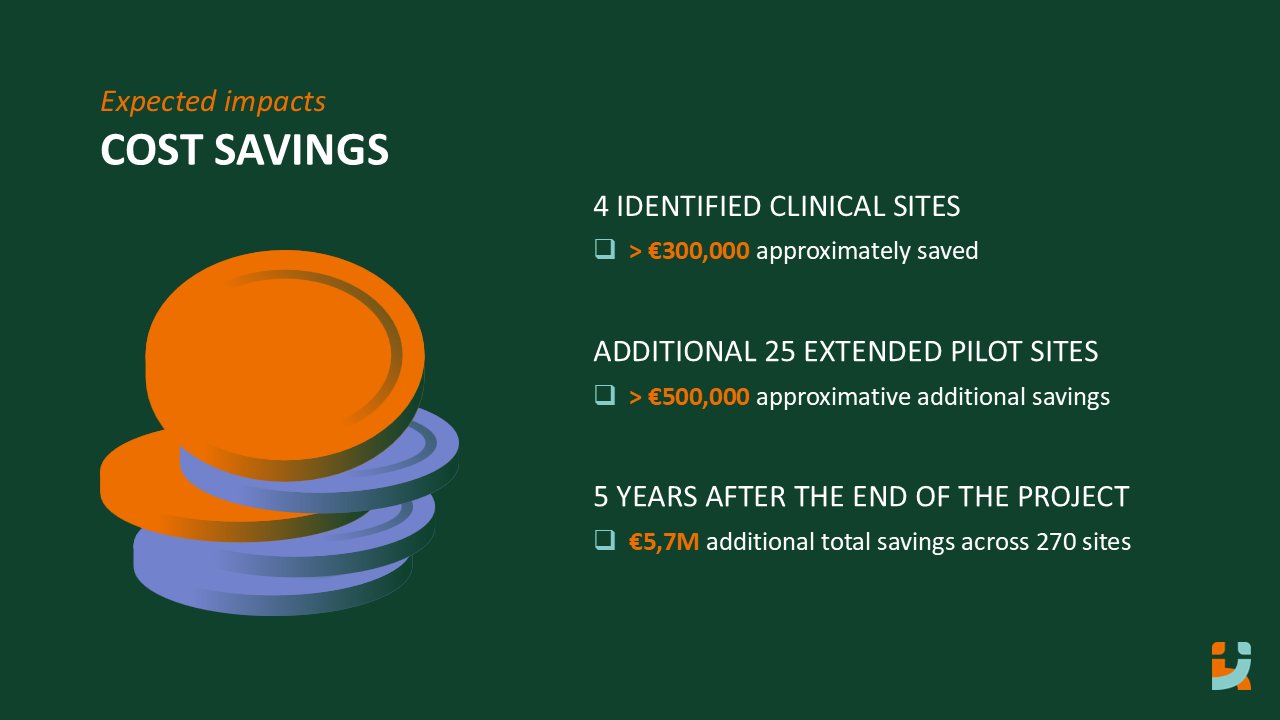
- Financial sustainability: direct treatment costs, operational costs and long-term economic efficiency.
- Social value: equity, accessibility, patient experience, workforce wellbeing and community impact.
The aim is to help healthcare organisations make balanced decisions, where quality of care, environmental responsibility, cost and social value are considered together.
Understanding Sustainable Healthcare Across Europe
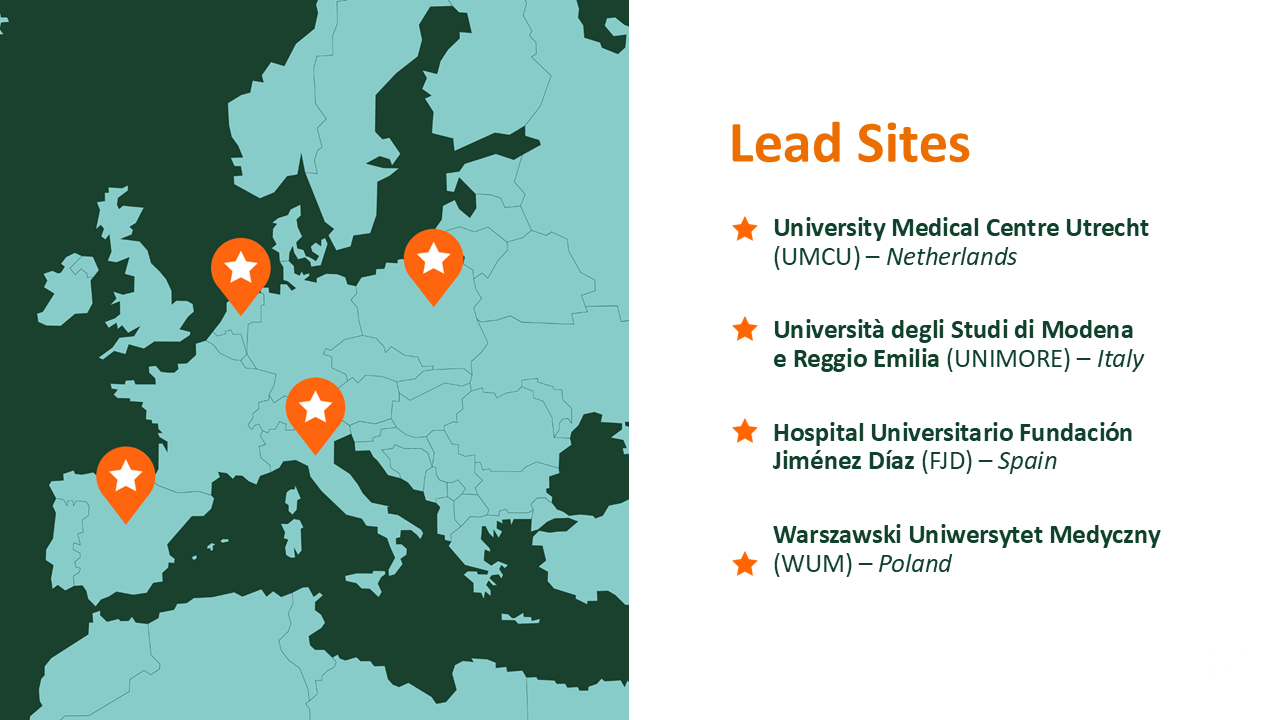
KitNewCare will map sustainable healthcare practice across several European countries, including Ireland, Sweden, the Netherlands, Poland, Italy, Spain and the United Kingdom. This work will identify where progress is already happening, where important gaps remain and why some interventions are easier to implement than others.
KitNewCare will also look at how dialysis differs between rural and urban settings. This matters because travel distances, transport arrangements, energy use and waste management can vary significantly depending on where care is delivered. By studying these differences, the project can help make sustainability guidance more realistic for different healthcare systems and patient communities.
This evidence will feed into a European Sustainability Knowledge Base: a practical source of evidence, experience and best practice that can support decision-makers beyond the lifetime of the project.
Turning Data Into Decisions
Many healthcare organisations want to act on sustainability, but lack tools that translate data into practical decisions. KitNewCare will therefore develop a benchmarking dashboard based on the four-dimensional assessment model.
The dashboard will help participating centres understand their performance across patient outcomes, environmental impact, financial performance and social value. It will also allow centres to compare their performance with European averages and best-performing institutions, not to create competition, but to support shared learning and continuous improvement.
The tool will be tested in real healthcare settings, with feedback from healthcare professionals used to make sure it remains practical, understandable and useful in busy clinical environments.
From Research to Action
KitNewCare places implementation at the centre of the project. Participating healthcare institutions will establish multidisciplinary implementation teams involving clinicians, nurses, managers, sustainability specialists, industry representatives and patients.
Each site will identify opportunities to improve clinical pathways, such as reducing unnecessary transport, improving water and energy use, reducing waste, simplifying workflows or using digital tools more effectively. Rather than imposing large-scale change all at once, teams will use Plan-Do-Study-Act improvement cycles to test, measure and refine practical changes.
Successful changes will be assessed through the 4-factor framework and then tested in additional settings, helping the project understand what works, what needs adaptation and how solutions can spread beyond individual centres.
Connecting Healthcare and Industry
The transition to sustainable healthcare cannot be delivered by hospitals alone. KitNewCare will launch the Greenest Kidney Care Innovation Challenge to connect healthcare needs with technological solutions from companies, researchers, patients, healthcare professionals and other stakeholders.
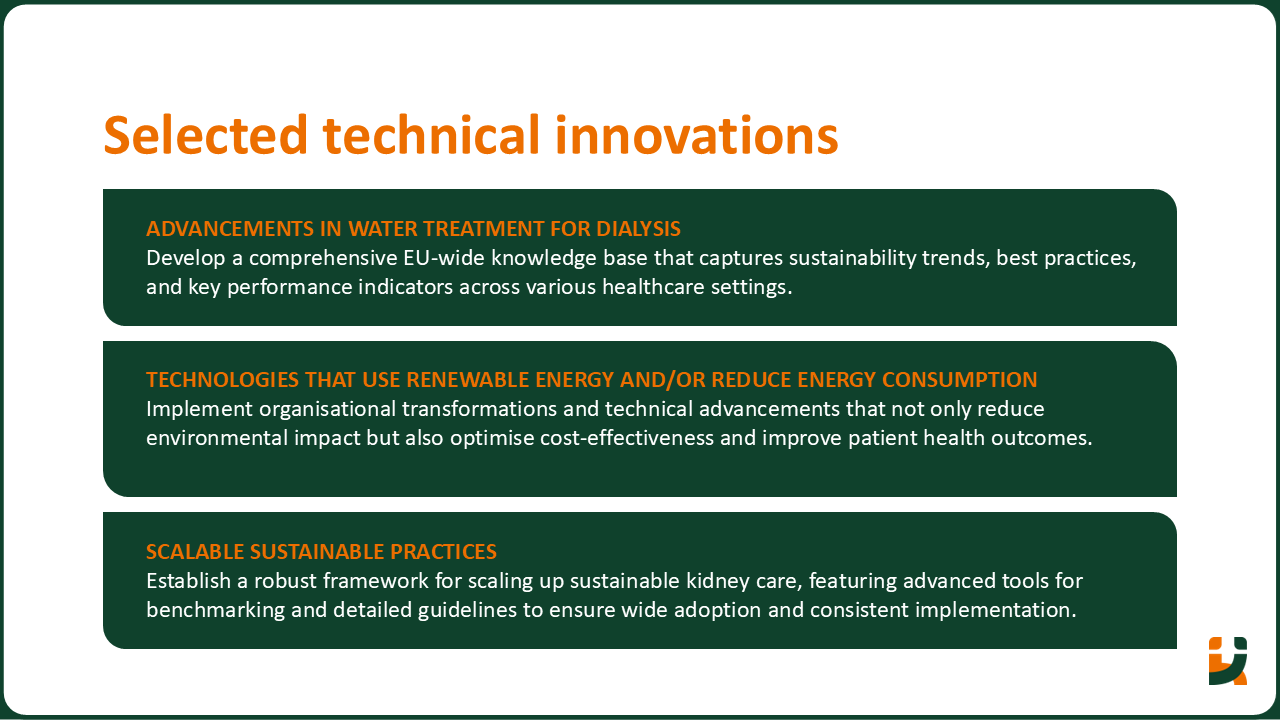
Potential solutions may include water management systems, more efficient medical devices, digital monitoring tools and new approaches to reducing waste and resource use. Candidate innovations will be assessed for feasibility, scalability and transferability before selected solutions are piloted in clinical environments.
Building a European Community of Sustainable Healthcare Leaders
Technology will only be effective if people have the knowledge, confidence and support to use it well. KitNewCare will therefore develop training for healthcare professionals, managers, senior executives and patients, helping sustainability become part of everyday healthcare decision-making.
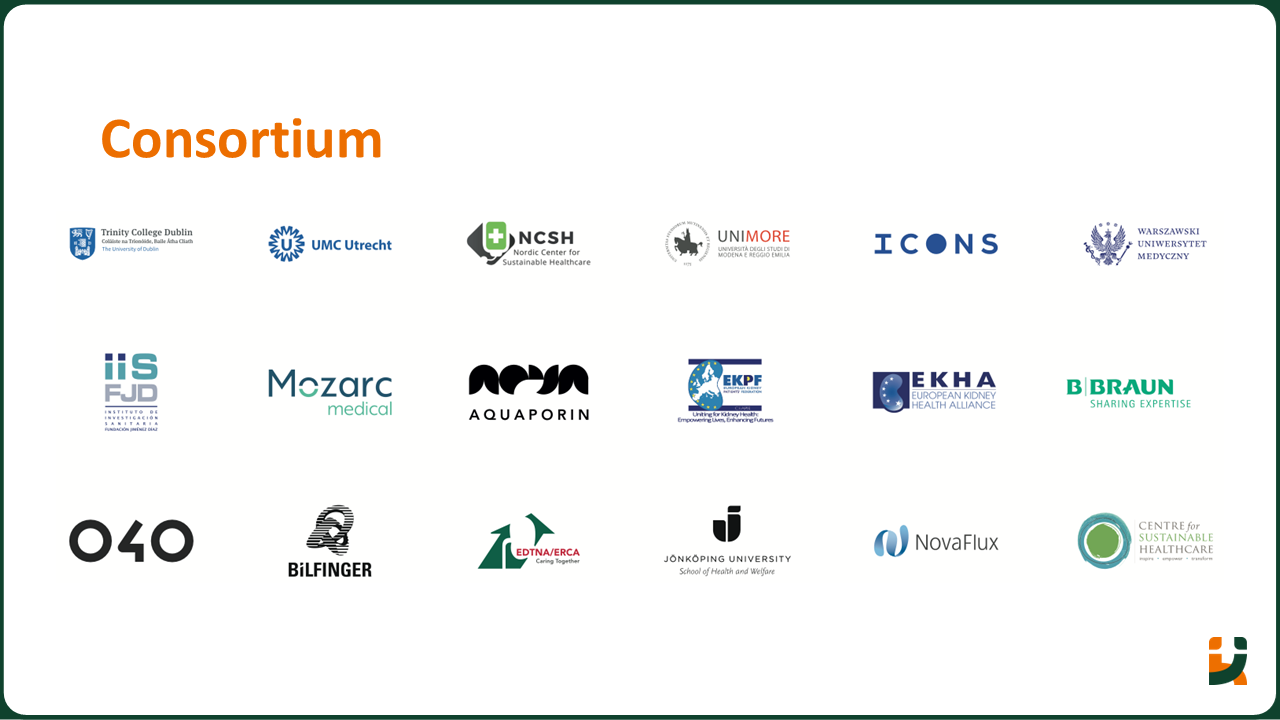
Patients and public representatives will also help shape the project by contributing to the design, feedback and dissemination of sustainable kidney care solutions.
KitNewCare will also establish a European Peer Network for sustainable kidney care, giving professionals opportunities to exchange experience, discuss barriers and share practical solutions.
EKHA’s role is to help ensure that the project’s findings are relevant to the wider kidney health community and can inform policy, advocacy and practical change across Europe.
Beyond Kidney Care
Although kidney care is the starting point, KitNewCare has a broader ambition: to create a proof of concept for sustainable healthcare transformation. Many of the same challenges seen in kidney care are also present in surgery, anaesthetics, intensive care and other high-resource specialties.
By documenting what works, testing solutions in real clinical settings and developing practical tools for decision-makers, KitNewCare aims to create a transferable model for healthcare systems across Europe. Kidney care is where the journey begins.
Co-funded by the European Union. Views and opinions expressed are however those of the author(s) only and do not necessarily reflect those of HADEA. Neither the European Union nor the granting authority can be held responsible for them.